Wood Fiber Batt Insulation

TimberBatt Cavity Insulation

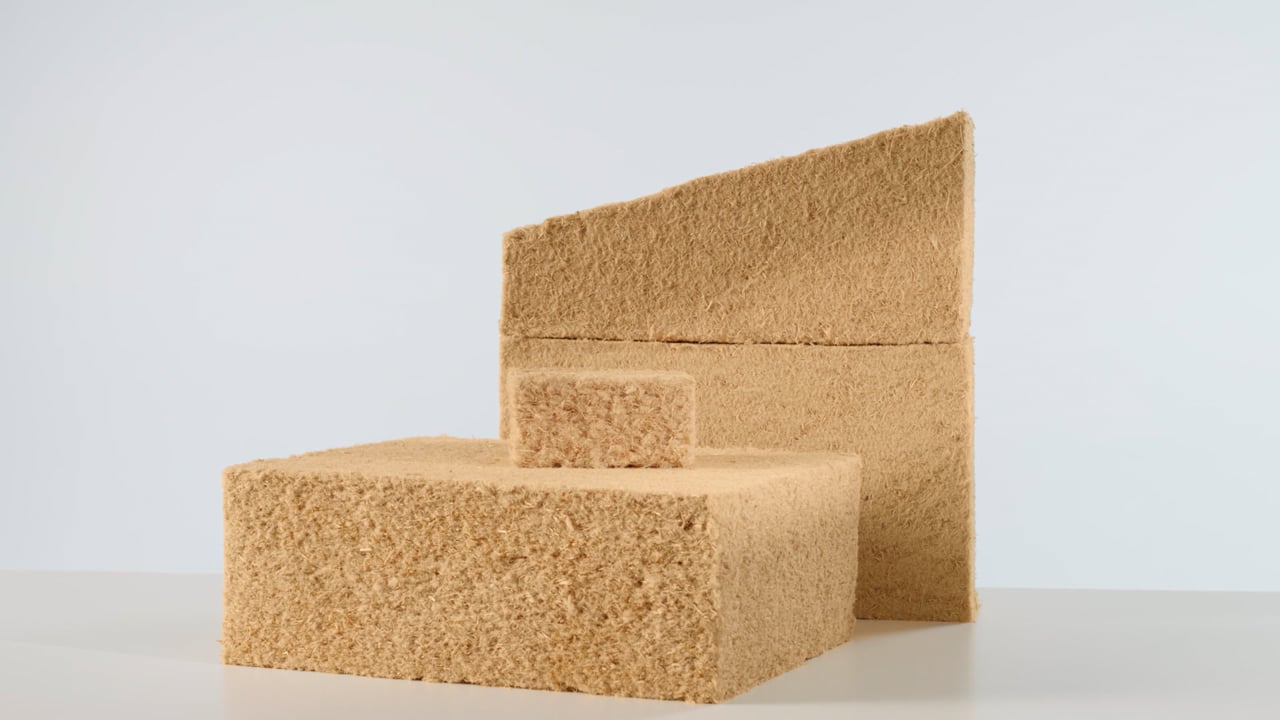
TimberBatt is a flexible, friction-fit cavity insulation composed of refined wood fiber protected by natural flame retardants. Engineered for superior sound absorption, thermal performance, and vapor-open moisture management, TimberBatt helps promote occupant comfort in residential and commercial applications. Plus, its structure and density help installers achieve a Grade I installation the first time, every time.


At a Glance
PlayPlay
previous arrow
next arrow
At a Glance
Installation
Fire Resistance
Cutting Tools
Safe to Handle
Steel Frame
Wood Frame
previous arrow
next arrow

Flexible, Wood Fiber Batt Delivers Consistent, Full Cavity Coverage

TimberBatt is high-density insulation engineered for the modern wall and ideal for retrofit and new residential and commercial projects. The same structural benefits you get from wood are now delivered in a wood fiber cavity batt insulation — exceptional moisture management, acoustic comfort, and thermal and fire performance.

Key Benefits of TimberBatt Cavity Insulation

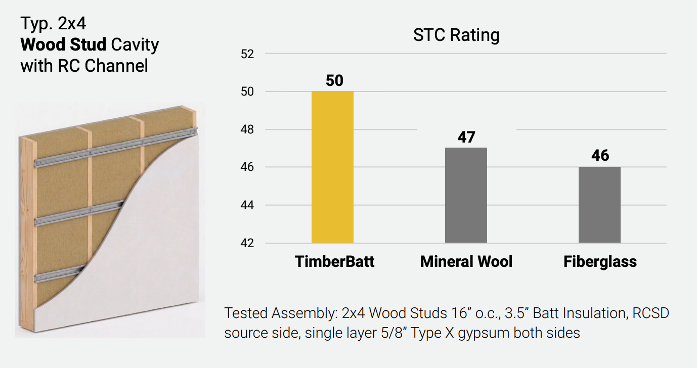
Acoustic Performance: dense wood fibers absorb sound, with NRC ratings up to 1.15 and tested assemblies reaching STC 50+

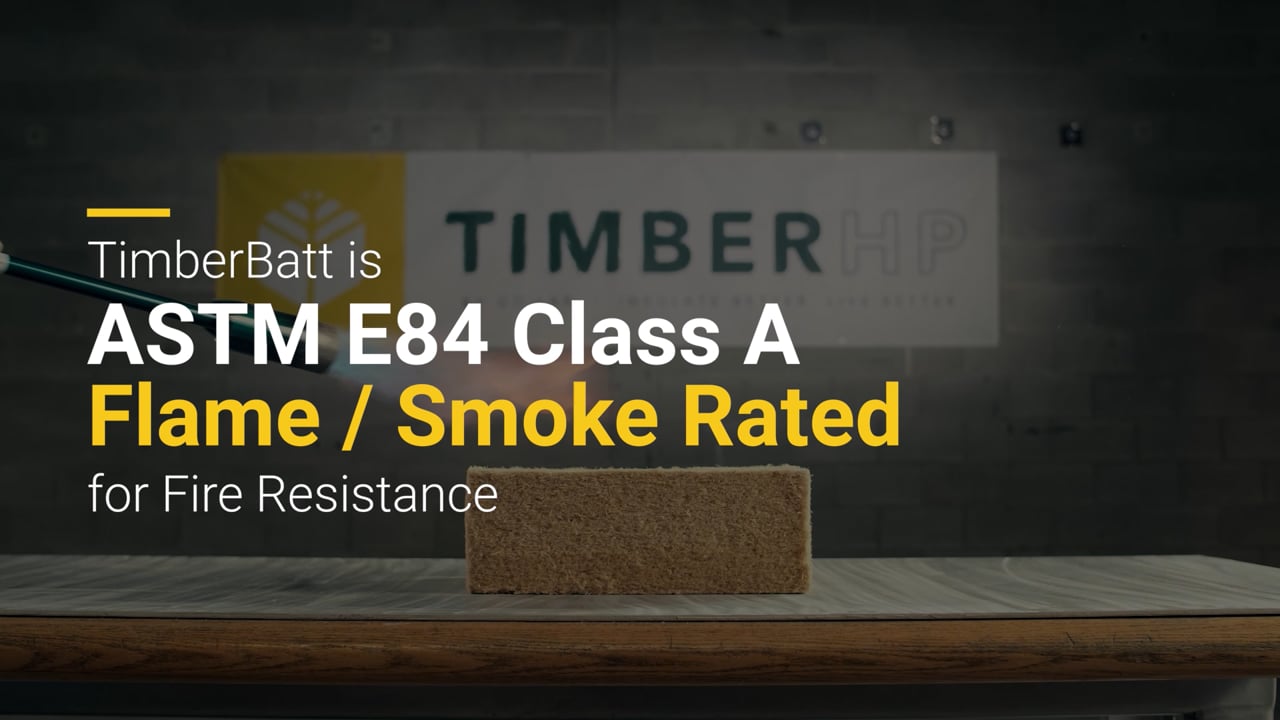
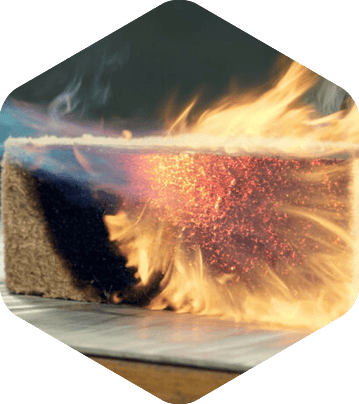
Class A Fire Performance: natural borate treatment achieves ASTM E84 Class A without synthetic flame retardants

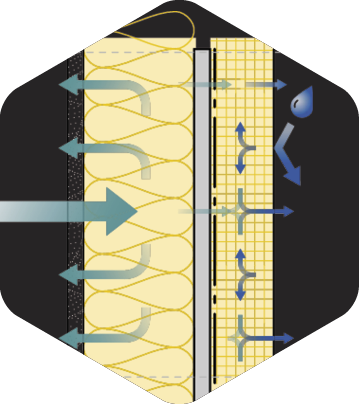
Moisture-Smart Assemblies: vapor-open wood fibers buffer and redistribute moisture so walls can dry

No Callbacks: flexible friction-fit conforms to framing, wiring and plumbing for consistent Grade I installs

Better Indoor Air Quality: GREENGUARD Certified and Red List Free, with borate treatment to inhibit mold

Familiar Material, Easy Handling: installs like standard batts and cuts easily, without abrasive fibers or heavy protective gear

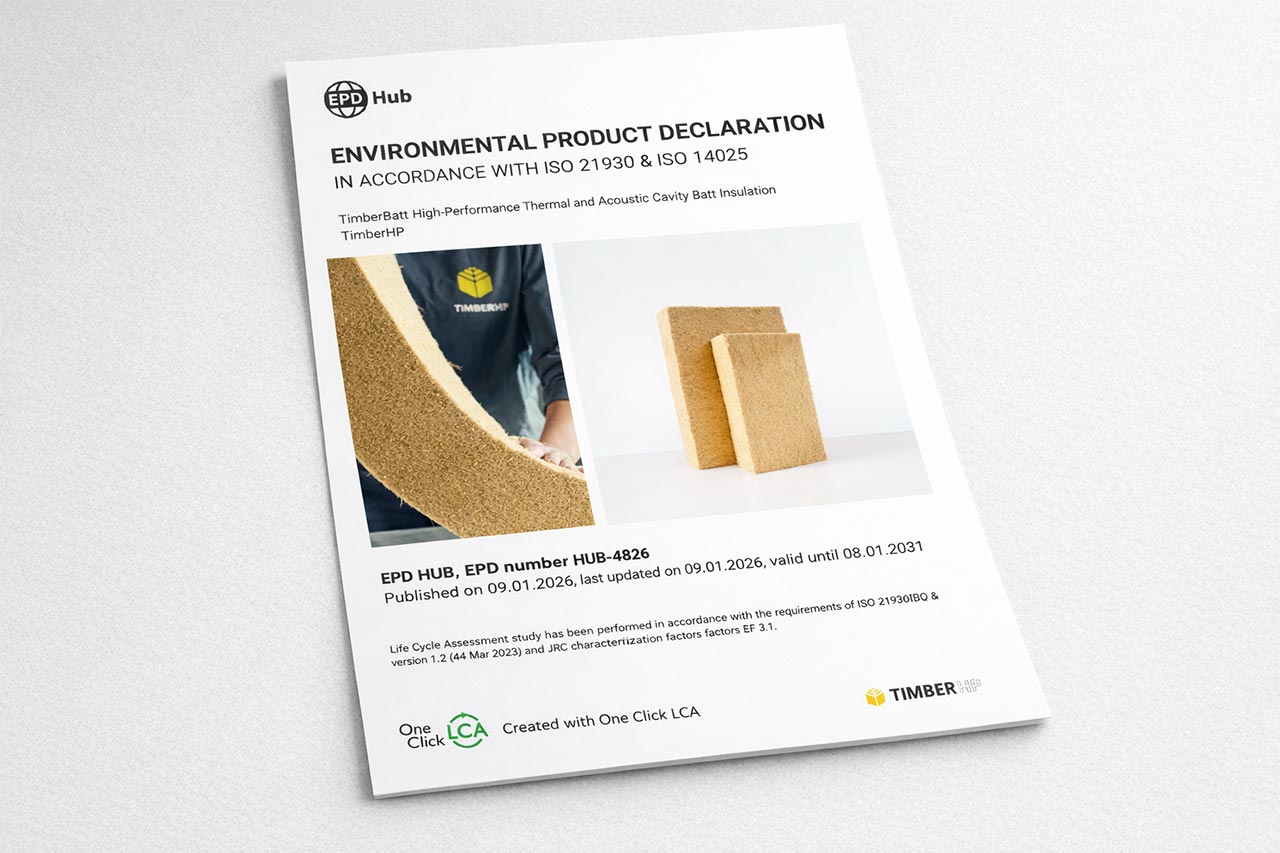
Buildings That Give Back: made from residual softwood fiber, with low embodied carbon backed by a third-party verified EPD

Cavity Batt Insulation, Compared

Comparison of TimberBatt, Mineral Wool Batts, and Fiberglass Batts insulation
CategoryTimberBattMineral Wool BattsFiberglass Batts
Acoustics* Excellent 50 STC In 2x4 wood stud wall with RC Good 47 STC In 2x4 wood stud wall with RC Good 46 STC In 2x4 wood stud wall with RC
Fire Resistance Good ASTM E84 Class A / Used in 1- and 2-Hour Walls Excellent Non-Combustible / Used in 1- and 2-Hour Walls Good ASTM E84 Class A (does not include facing)
Moisture Management Excellent Vapor Open + Naturally Manages Moisture (Hygroscopic) Good Vapor Open Poor Performance decreased when wet
Ease of Install Excellent No Irritating Fibers / Friction Fit / Supports Grade 1 Install Good Friction Fit / Irritating Fibers Poor Highly compressible / Irritating Fibers
Carbon Footprint (CO₂e) Excellent 90%+ By-Product Unused Forest Products / Carbon Negative Good Recycled Slag and Basalt / Moderate Embodied Carbon Good 55% Recycled / High Embodied Carbon
* Tested Assembly: 2×4 wood studs 16″ o.c., 3.5″ batt insulation, RCSD source side, single layer 5/8″ Type X gypsum both sides.Tested Assembly: 2×4 wood studs 16″ o.c., 3.5″ batt insulation, RCSD source side, single layer 5/8″ Type X gypsum both sides.

TimberBatt Applications

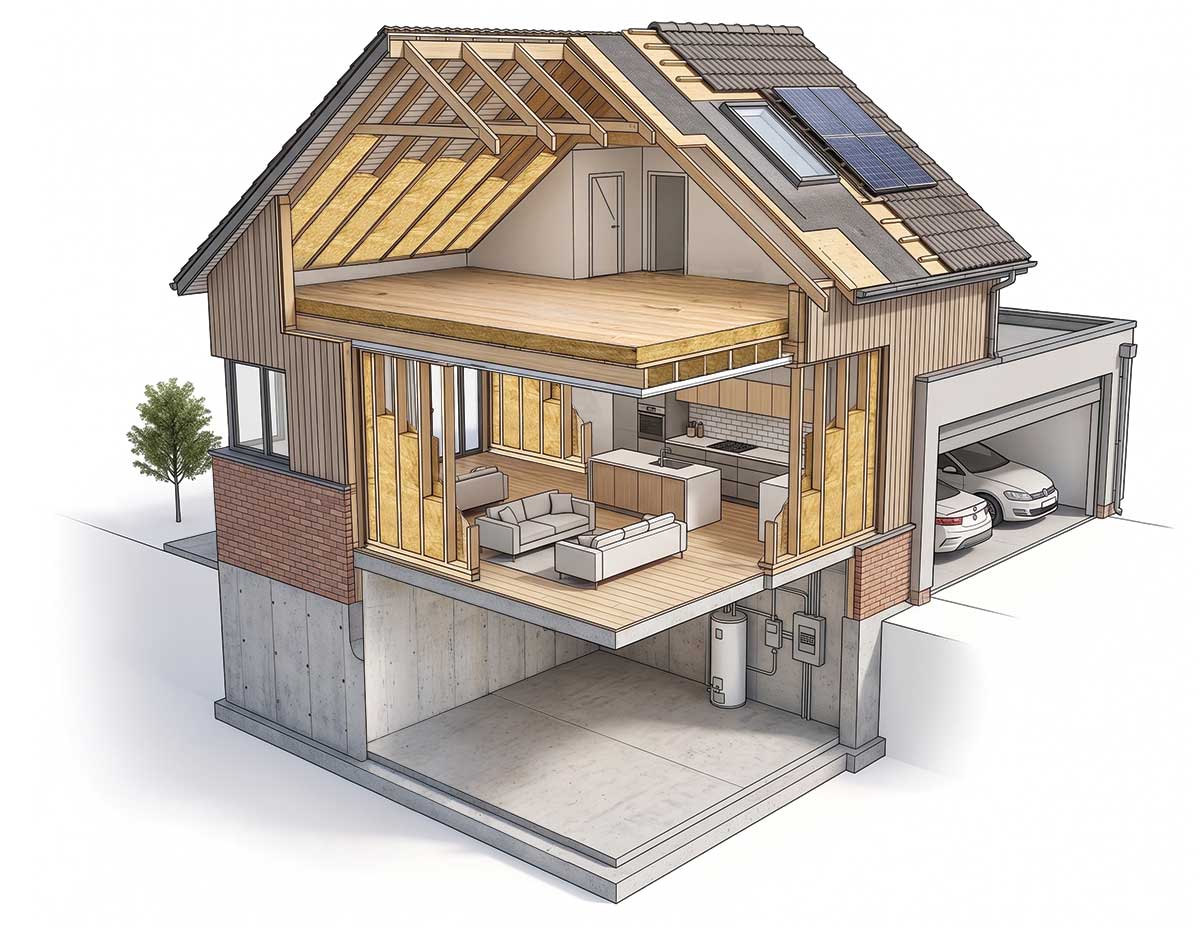
Click the blue pins to see how TimberBatt works throughout a structure.

Exterior Walls

TimberBatt insulation fits snugly between studs in wood- or metal-framed walls, delivering exceptional thermal resistance and vapor-permeable moisture control—ideal for both interior comfort and exterior energy efficiency.

Sloped Roof Rafter Bays:

In sloped roof assemblies, TimberBatt’s high-density composition ensures consistent insulation without sagging, while its breathable structure helps regulate moisture.

Floor & Ceiling Cavities

Our wood fiber batt insulation helps reduce heat transfer and airborne sound between floors and ceilings, making it a smart choice for improved comfort and quieter spaces in single- or multi-level buildings.

Interior Walls

With superior sound-dampening capabilities, TimberBatt is an effective solution for reducing noise transmission between units or rooms—enhancing acoustic privacy in multifamily housing and commercial spaces.

Project Highlights

TimberBatt Performance Attributes

Acoustic Comfort
Quieter Homes, Peaceful Spaces 

  • Dense wood fibers absorb and block sound across a broad range of frequencies
  • Tested assemblies achieve STC 50+ for quieter, serene spaces. The higher the STC rating, the more sound is blocked. 
  • Delivers Noise Reduction Coefficient ratings up to 1.15 to absorb unwanted noise. NRC ratings are measured from 0.0 to 1.0. NRC ratings above 1.0 are considered exceptional maximum sound absorption. 

TimberBatt Product Line & Coverage

TimberBatt product specifications for wood and steel stud framing, including batt sizes, pieces per pack, and coverage
Product TypeStud SizeBatt SizePieces / PackCoverage
Wood Stud
Acoustic2×4 stud, 16″ o.c.3″ × 15″ × 47″8 PCS/PAC39.2 sq.ft.
Acoustic2×4 stud, 24″ o.c.3″ × 23″ × 47″8 PCS/PAC60 sq.ft.
R-142×4 stud, 16″ o.c.3.5″ × 15″ × 47″7 PCS/PAC34.3 sq.ft.
R-142×4 stud, 24″ o.c.3.5″ × 23″ × 47″7 PCS/PAC52.5 sq.ft.
R-222×6 stud, 16″ o.c.5.5″ × 15″ × 47″4 PCS/PAC19.6 sq.ft.
R-222×6 stud, 24″ o.c.5.5″ × 23″ × 47″4 PCS/PAC30 sq.ft.
R-272×8 stud, 16″ o.c.7.25″ × 15″ × 47″3 PCS/PAC14.7 sq.ft.
R-272×8 stud, 24″ o.c.7.25″ × 23″ × 47″3 PCS/PAC22.5 sq.ft.
Steel Stud
Acoustic3 5/8″ stud, 16″ o.c.3″ × 16″ × 48″8 PCS/PAC42.7 sq.ft.
Acoustic3 5/8″ stud, 24″ o.c.3″ × 24″ × 48″8 PCS/PAC64 sq.ft.
Acoustic3 5/8″ stud, 16″ o.c.3.5″ × 16″ × 48″7 PCS/PAC37.3 sq.ft.
Acoustic3 5/8″ stud, 24″ o.c.3.5″ × 24″ × 48″7 PCS/PAC56 sq.ft.
Acoustic6″ stud, 16″ o.c.6″ × 16″ × 48″4 PCS/PAC21.3 sq.ft.
Acoustic6″ stud, 24″ o.c.6″ × 24″ × 48″4 PCS/PAC32 sq.ft.

aproduct certification pending

How to Install TimberBatt Insulation

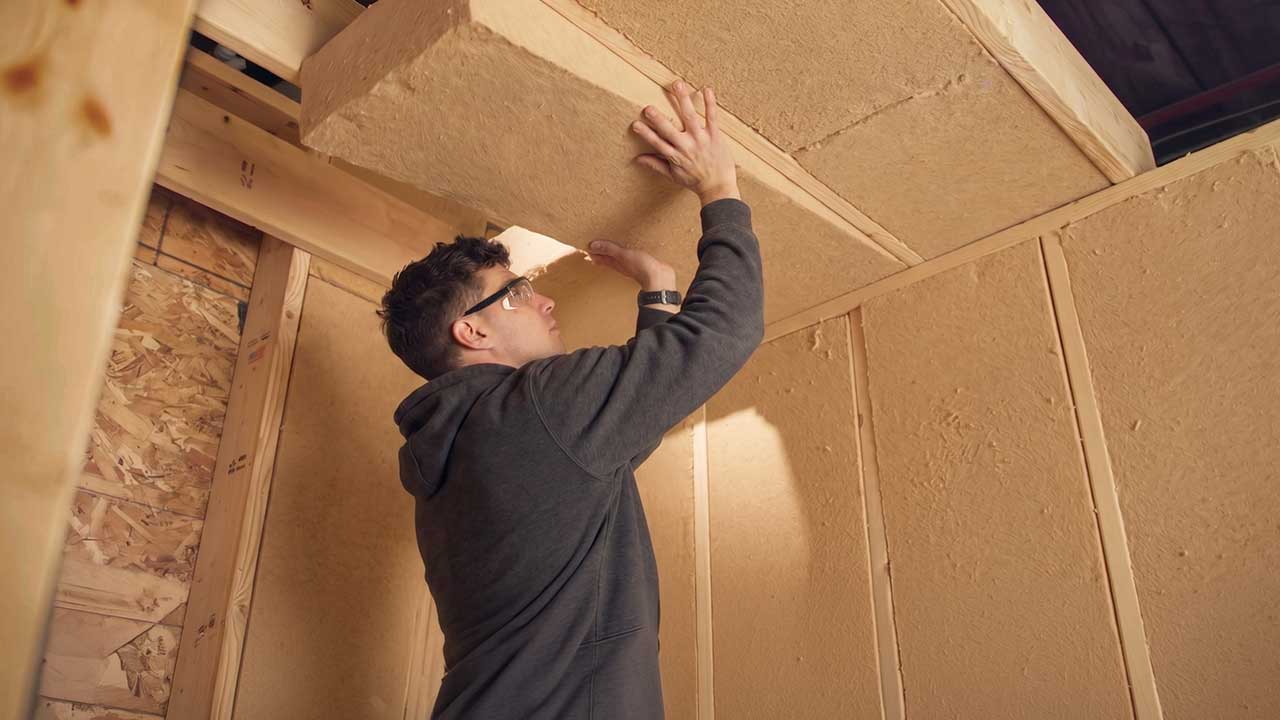
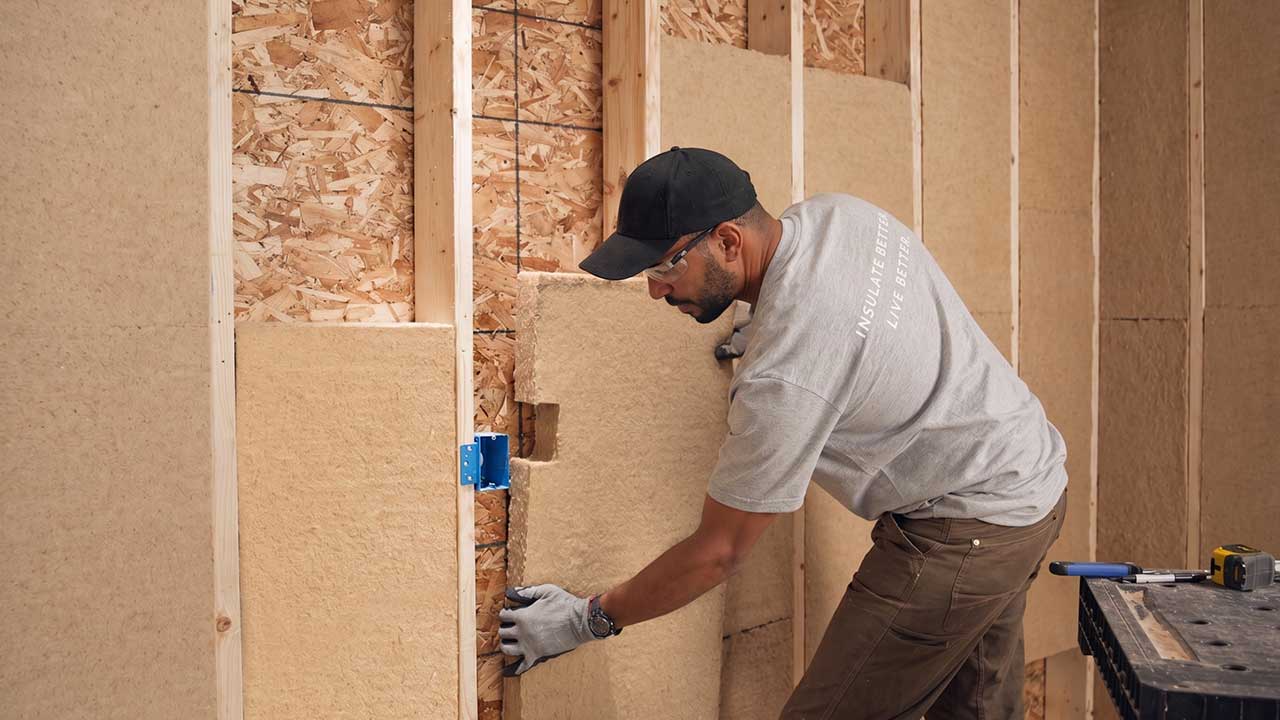
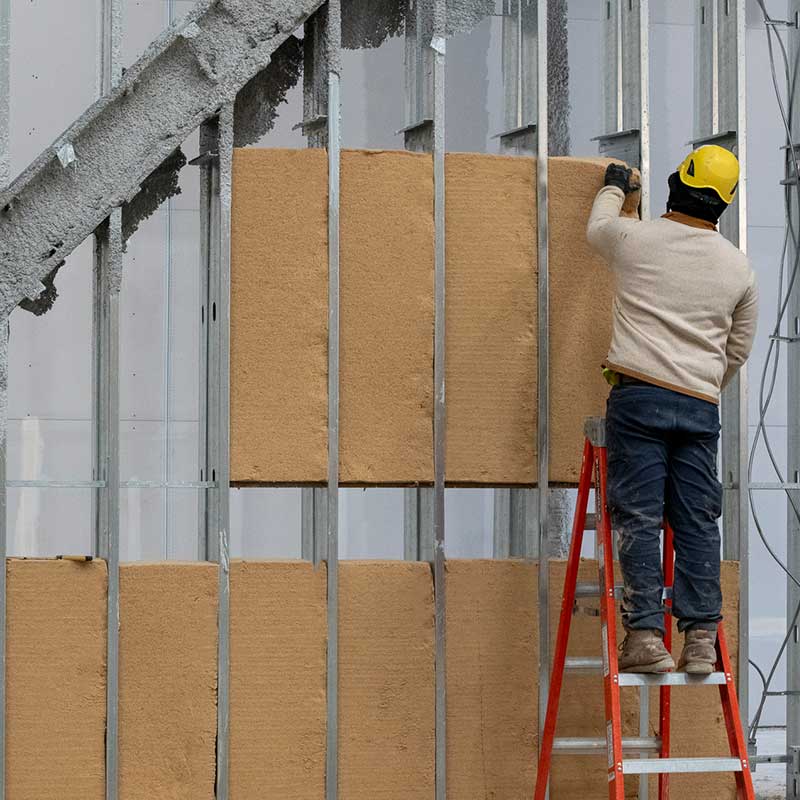
TimberBatt is easy to install with a friction-fit design that maintains durability and stability in cavities with no slumping over time, and resists settling, sagging, and deformation in wall and roof assemblies. TimberBatt helps reduce gaps, voids and compression, and readily conforms to framing irregularities, wiring, and plumbing.

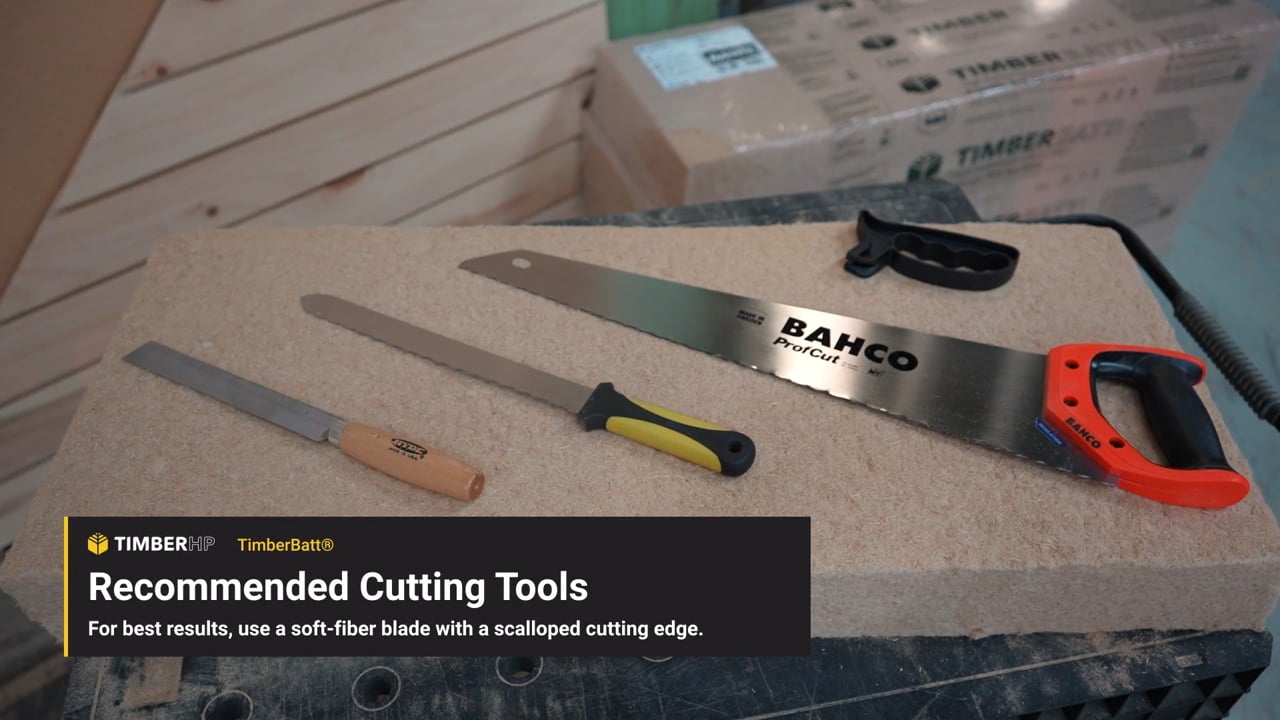
  • Cut to fit with hand saw or insulation knife
  • Glove-free install; no itchy fibers
  • Friction-fit between studs, rafters, and joists
  • Compatible with vapor-variable membranes and other vapor-open assemblies

Install Videos

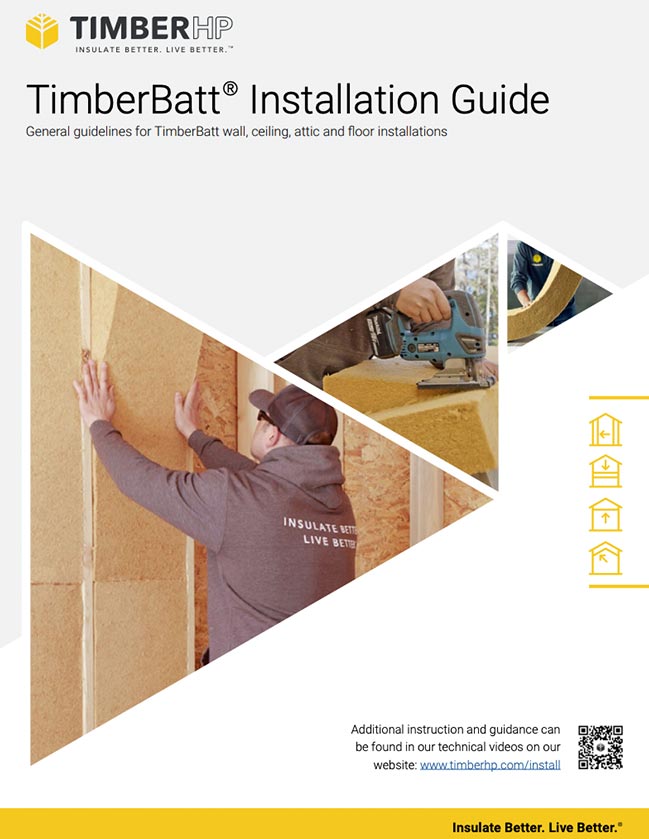
    Install Guides

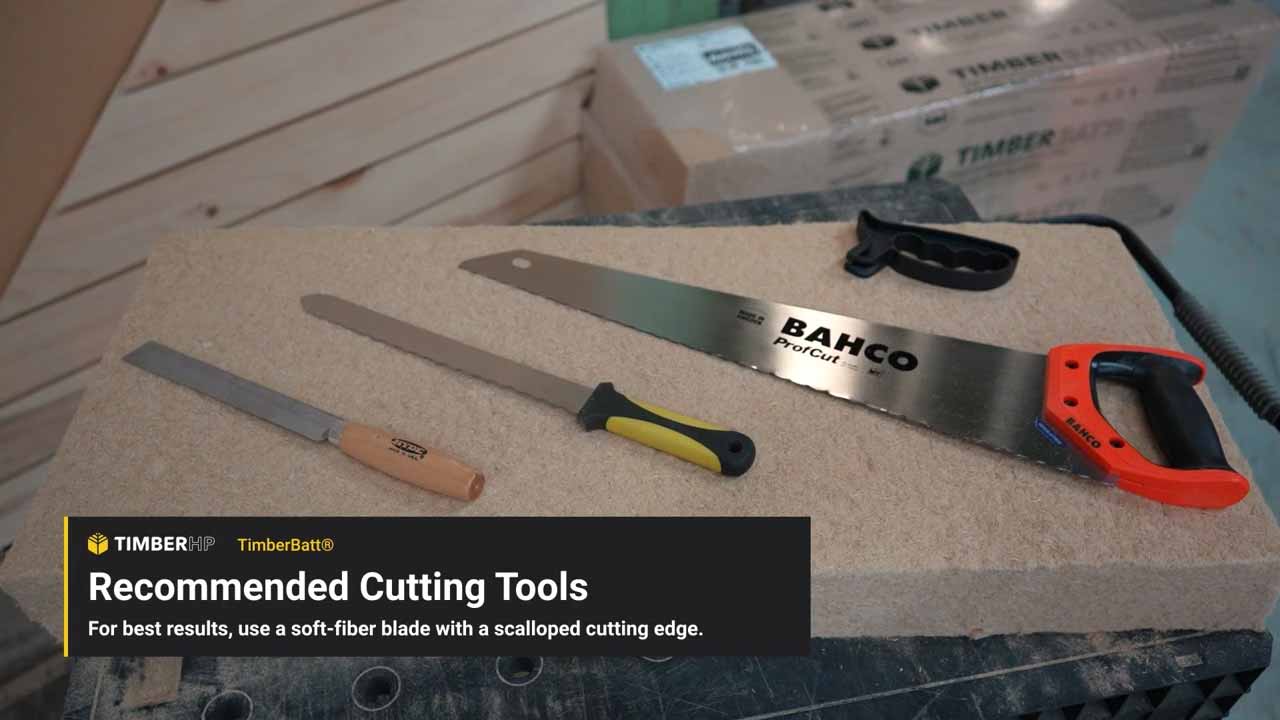
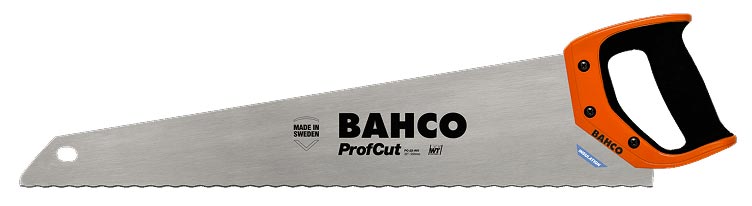
    Bahco Insulation Saw

    Durable and ergonomic with a stainless steel blade—great for straight and detail cuts.
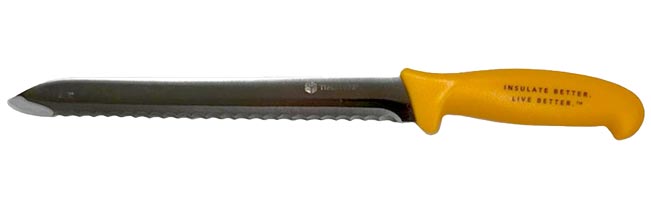
    Custom TimberBatt Knife

    Excellent for thicker batts or fast repetitive cuts. Serrated edge grips and slices easily through dense fiber.
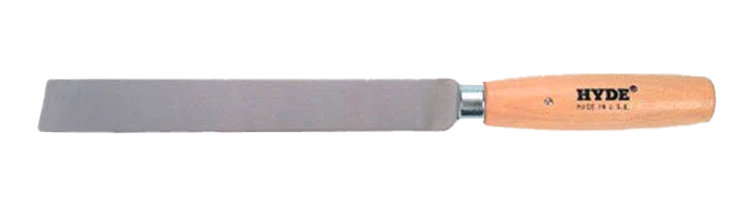
    Hyde Square Point Knife

    Excellent for clean plunge cuts, and comes with a wooden handle.

    Frequently Asked Questions

    Frequently Asked Questions About TimberBatt Wood Fiber Cavity Insulation:
    Q: Can TimberHP batts be used in both new constructions and renovations?

    A: Yes, TimberHP batts (TimberBatt) can be used in both new construction and retrofits or renovations. The reasons TimberBatt works well for both applications include: 

    • Friction-Fit Installation: TimberBatt is semi-rigid yet flexible, designed to press-fit tightly into standard framing cavities (walls, ceilings, and floors) without sagging or slumping. This makes it equally adaptable to newly built stud bays or existing, slightly irregular framing found in older homes.  
    • Easy Custom Sizing: TimberBatt can be cut cleanly with standard insulation saws or knives, allowing installers to trim and carve them precisely around existing wiring, plumbing, or uneven historic framing during a renovation.  
    • Vapor-Open & Moisture Management: Wood fiber is naturally vapor-open and has high thermal mass. In older renovation projects where managing moisture dynamics is critical to prevent rot in historic framing, a vapor-open system helps the assembly dry out safely.  
    • Comfort and Safety: Because TimberBatt is itch-free and free of formaldehyde, VOCs, or harsh synthetic binders, it is  much safer and more comfortable to handle in tight, enclosed retrofit spaces than fiberglass or spray foam.

    A: The main advantages of TimberBatt over conventional fiberglass or foam insulation are not necessarily a dramatically higher R-value, but rather a combination of thermal, acoustic, moisture, installation, and environmental characteristics.

    • Good thermal performance: TimberBatt is rated around R-3.7 to R-4.0 per inch, which is comparable to many conventional fibrous insulation products.
    • Better sound absorption: Its relatively high density makes it particularly effective at reducing airborne noise between rooms, floors, or dwelling units.
    • Vapor-open construction: Wood fiber allows water vapor to move through the insulation rather than acting as a vapor barrier. This can make properly designed wall assemblies more tolerant of moisture and drying. 
    • Moisture buffering: Wood fiber can absorb and release some moisture, helping moderate humidity fluctuations. Importantly, this doesn’t eliminate the need for appropriate vapor control, flashing, drainage, and air sealing. 
    • High thermal mass: Compared with lightweight fiberglass, the denser wood fiber has greater heat capacity, which can help damp temperature swings and improve summer comfort. 
    • More pleasant installation: TimberBatt is designed to friction-fit into cavities and is marketed as itch-free, unlike fiberglass fibers that can irritate skin and respiratory passages during installation. 
    • Renewable, lower-carbon material: Wood fiber is primarily derived from wood, including lower-value or residual timber. University of Maine research describes it as a renewable alternative with environmental advantages over fossil-based insulation. 
    • Fire performance: Despite being wood-based, wood fiber products such as TimberBatt are treated and tested to achieve ASTM E84 Class A flame/smoke-spread performance.

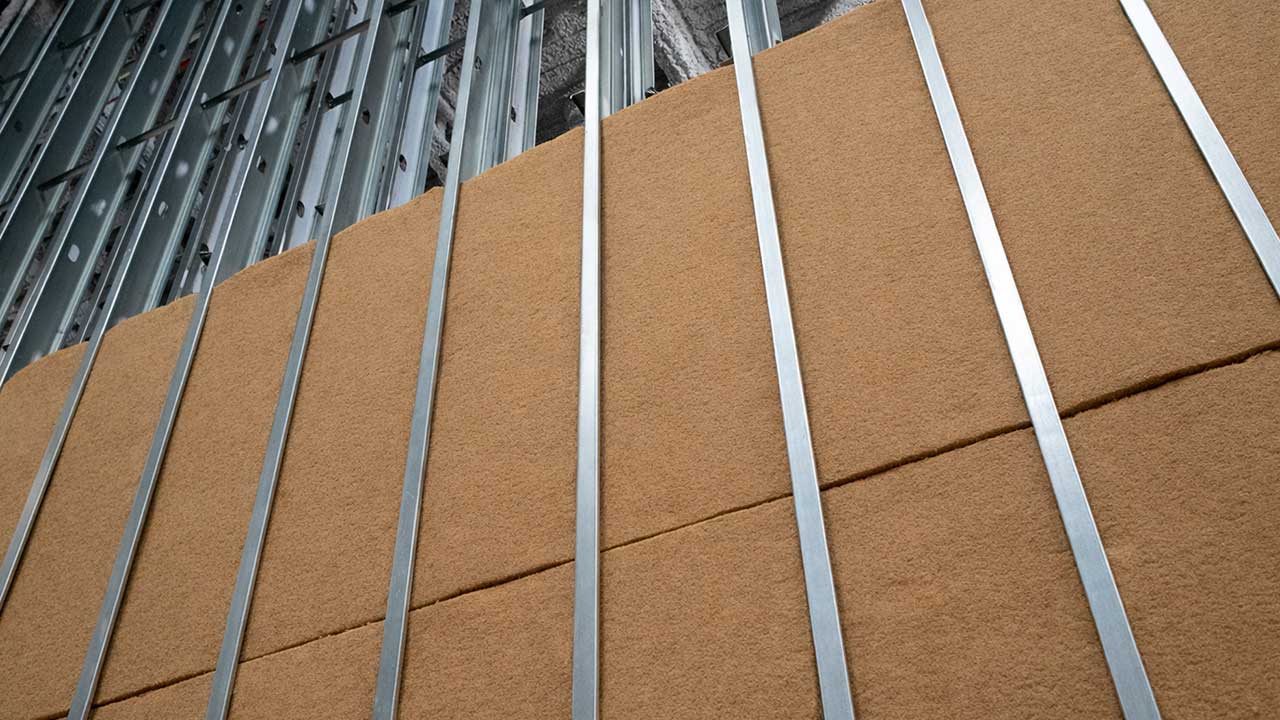
    A: Yes. TimberBatt is designed for both wood- and steel-framed construction, making it suitable for residential, multifamily, light commercial, and other commercial applications. Steel stud sizes are available in dimensions designed for common 3 ⅝” and 6” metal stud cavities. 

    TimberBatt has also been tested for acoustic performance in steel stud wall assemblies, including assemblies achieving STC ratings up to 53, making it particularly well-suited for projects where thermal insulation and sound absorption are both important.

    A: The best wall insulation material depends on the project’s thermal, acoustic, moisture, fire, indoor air quality, and sustainability requirements. For builders looking for a high-performance, vapor-open and sustainable option,

    TimberBatt wood fiber insulation is designed for both wood- and steel-framed wall cavities. It provides approximately R-4 per inch, helps reduce sound transmission, manages moisture without trapping humidity, and meets ASTM E84 Class A flame and smoke spread requirements. TimberBatt is also made without VOCs, formaldehyde, or added toxins, making it a healthy alternative to conventional fiberglass and mineral wool insulation for residential and commercial wall assemblies.

    A: Choose an insulation material that combines low embodied carbon with healthy material chemistry and effective moisture management. TimberBatt is made from refined softwood fiber and contains no VOCs, formaldehyde, or added toxins; it is also Declare labeled and Red List Free. Its vapor-open structure allows moisture vapor to move through the assembly rather than becoming trapped, helping reduce the potential for condensation, mold, and rot. 

    TimberBatt is also treated with borate for fire, mold, mildew, and insect resistance, providing a sustainable wall insulation solution without compromising indoor air quality.

    A: TimberBatt is treated with liquid borate to provide long-term resistance to insects, mold, and mildew. The borate treatment helps protect the wood fiber from organisms that can cause decay, while TimberBatt's vapor-open construction allows moisture to move through the assembly rather than becoming trapped. Proper building-envelope design and moisture management are still essential for protecting any insulation and wood-framed assembly from excessive moisture.

    A: TimberBatt can be cut on the job site using a serrated insulation saw or similar handsaw designed for cutting insulation. Measure the cavity, mark the batt, and cut it to achieve a snug friction fit without leaving gaps around the edges. 

    For detailed cuts around penetrations such as electrical boxes, TimberHP’s installation guide recommends using a serrated knife with a pointed tip. Properly fitting the batt is important for maintaining continuous insulation and minimizing air gaps in the assembly.