

When Insulation for Bathroom Walls and Ceilings Makes Sense – and When You Can Skip It
There are a number of reasons you might consider bathroom insulation; it’s often favored as a way to prevent mold and mildew growth in these high-humidity spaces, or control temperatures, especially in colder climates. But is bathroom insulation always needed?
Here’s the TLDR: Insulate bathroom walls and ceilings when they face the exterior, contain plumbing in or against an unconditioned space, sit under an unconditioned attic or over a crawlspace, adjoin a bedroom or living area (for sound), or are already open during a gut renovation. You can skip insulation when the bathroom is fully surrounded by conditioned interior space and noise isn’t a concern.
Breaking It Down: When is Bathroom Insulation Necessary?
Builders typically do not insulate interior bathroom walls or ceilings because building codes only require thermal insulation on the exterior envelope.
However, homeowners are increasingly requesting insulation for bathroom walls and ceilings during new construction or remodels, signaling prioritization of noise reduction and temperature regulation in bathrooms.
Here are 6 reasons why insulation for bathroom walls and ceilings is a smart idea:
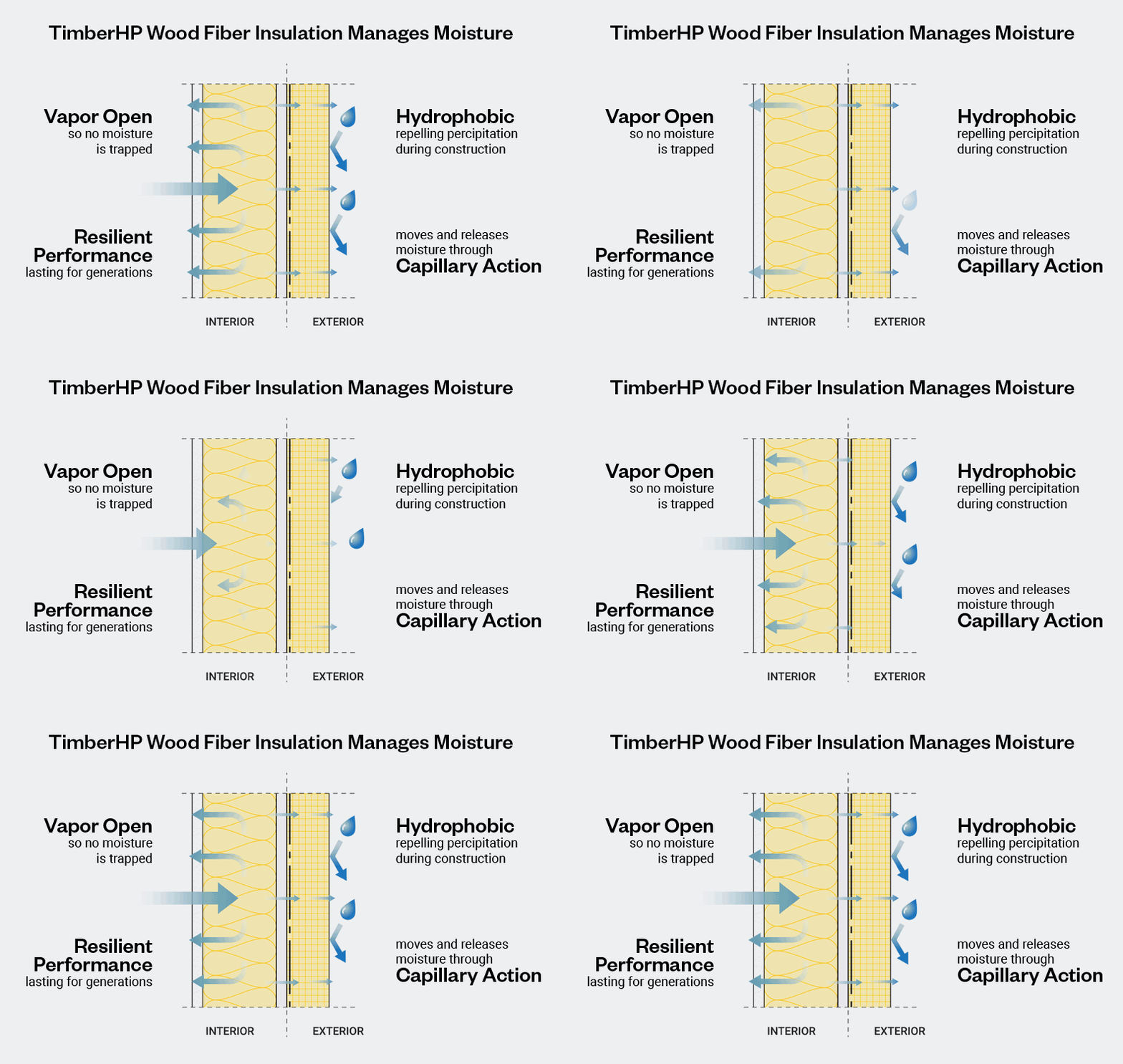
- Moisture Control: Bathrooms are prone to high moisture, and air leaks can carry that moisture into wall and ceiling cavities, creating hidden condensation that can lead to mold and mildew growth. Vapor-open wood fiber insulation regulates surface temperatures to stop condensation and repel moisture without trapping humidity, preventing mold, mildew, and rot, and improving indoor air quality.
- Noise Reduction: Homeowners increasingly want to dampen the sounds of a toilet flushing or shower running; bathrooms adjacent to bedrooms or common areas are great candidates for insulation. Sound-dampening wood fiber insulation provides unmatched acoustics for exceptional noise control, especially in close quarters.
- Temperature Regulation: A bathroom that is cold in the winter and hot in the summer is not only uncomfortable to use, but requires additional heating or cooling methods to combat outside temperatures, which can be expensive and inconvenient. The superior thermal barrier of wood fiber insulation delivers high R-values per inch, reducing drafts and stabilizing temperatures for year-round comfort.
- Energy Efficiency: In addition to potentially requiring extra heating or cooling methods for temperature management, bathrooms with low-quality exterior insulation lose energy through the walls. Heat will easily pass through weak spots during cold weather, and cold air will lower wall temperatures. Wood fiber insulation provides high thermal storage that reduces energy consumption and waste.
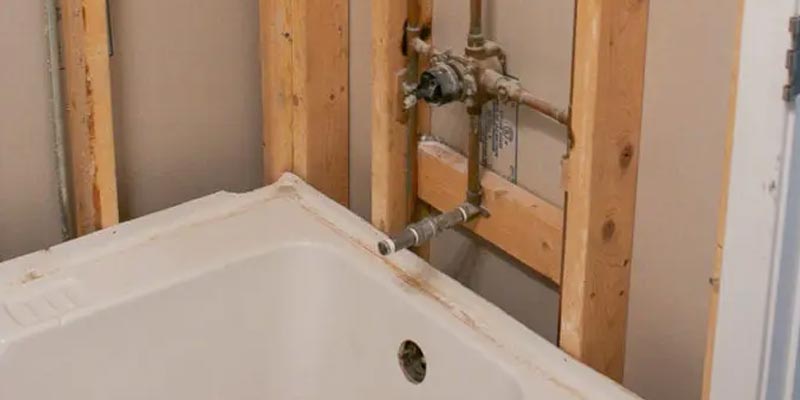
- Plumbing Protection: In cold weather, pipes that are not properly protected can freeze and subsequently burst, leading to expensive and, let’s face it, headache-inducing water damage. Wood fiber insulation reduces heat transfer, limiting thermal bridging and protecting a home’s thermal envelope – which includes the piping.
- Low Initial Cost: It is far more cost-effective to install bathroom insulation at the framing stage rather than after the drywall goes up. If you’re starting a bathroom build or remodel, don’t wait to add wood fiber insulation into the design plans.
In its Market Expectations and Trends in Master Bathroom Remodeling Activities Report, The Home Improvement Research Institute found that 21% of homeowners are planning to do a bathroom remodel in 2026.
With a focus on energy efficiency and sustainability increasingly influencing bathroom remodel decisions, wall and ceiling insulation should be a conversation had early on in the design process.
And while it’s always easier and more cost-effective to install insulation during the framing stage before drywall is put up, there are great options for insulating an existing home, such as your bathroom, to add soundproofing and other benefits.
According to the 2025 Bathroom Trends Study by Houzz, 83% of homeowners surveyed chose sustainable options for their bathrooms. While insulation was not specifically mentioned, motivations for prioritizing sustainability include:
- Long-term cost effectiveness
- Being more environmentally friendly
- Improving health in indoor living spaces
- Federal incentives
Insulation – specifically wood fiber – delivers on all of these fronts, helping builders and homeowners meet ambitious health, energy, and sustainability goals for residential, commercial, and industrial projects.
Dive Deeper: TimberBatt Earns Third-Party Verified Insulation EPD
What R-Value Do Bathroom Walls Need?
Bathroom insulation – like insulation for any room – is about more than R-value, although it is a critical factor. Here is a quick checklist of items that indicate exceptional insulation for bathroom walls and ceilings:
- R-value of R-3.5 to R-4.0 for batt and board insulation, which works well for exterior and interior walls and ceilings
- Vapor permeability of >10 perms per inch to allow moisture to pass through rather than build up
- A Noise Reduction Coefficient (NRC) of 0-1, with higher measures indicating exceptional sound performance
- An ASTM rating of E84 Class A Flame/Smoke, signaling a low flame spread index and limited smoke production
Dive Deeper: Wood Fiber Vs. Other Insulation Options
Wood fiber checks the boxes and offers higher performance than other insulation options for bathroom walls and ceilings.
| Performance | Wood Fiber | Mineral Wool | Spray Foam | Fiberglass | Cellulose |
|---|---|---|---|---|---|
| Moisture Management | Vapor open & breathable. Doesn’t trap humidity, reducing the risk of condensation, mold, and rot. | Vapor-open, but can absorb water and lose effectiveness if wet. | Airtight but vapor-closed — traps moisture, risk of hidden mold/rot. | Loses R-value when wet; prone to mold in damp conditions. | Vapor-open but absorbs moisture easily; needs chemical treatment. |
| Acoustic Comfort | Industry-leading sound dampening across walls. | Good sound absorption. | Minimal acoustic benefit. | Moderate sound reduction, less dense than wood fiber or mineral wool. | Fair sound absorption, inconsistent performance over time. |
| Thermal Barrier | High R-values, and thermal storage for year-round comfort, draft reduction, and stabilized temperatures. | High R-values but limited thermal storage. | High initial R-value but performance degrades with age/installation flaws. | Moderate R-value, thermal bridging common, drafts possible. | Good R-value per inch, but settles over time, reducing coverage. |
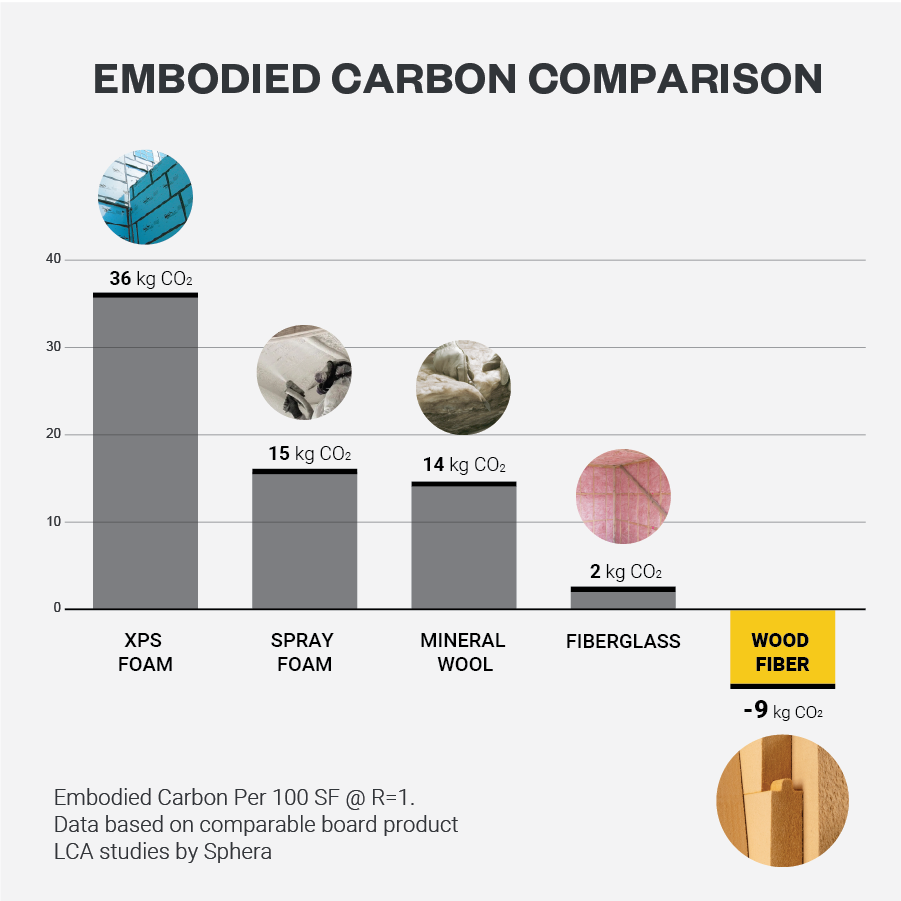
| Carbon Footprint (cradle to gate) | Carbon Negative — stores biogenic carbon absorbed by trees, locking the carbon in buildings for the life of the material. | High-energy, carbon-intensive production. | Made from petrochemicals; very high embodied carbon. | Energy-intensive manufacturing, moderate embodied carbon. | Lower carbon impact, but often stores about as much carbon as is emitted during manufacturing. |
When is Bathroom Insulation Not Needed?
Insulation certainly has its benefits, but depending on the location of your bathroom, and your goals for the build or remodel, it may not be needed.
If any of these factors apply to your bathroom space, insulation installation isn’t as much of a priority, and you can likely skip it without compromising thermal comfort or moisture buildup.
- The bathroom is located within your home’s conditioned space and only shares walls with other interior rooms.
- The bathroom is already surrounded by heated or cooled spaces.
- The bathroom has effective ventilation, heating, and cooling.
What is a conditioned space?
A conditioned space is any area inside a home or building where the temperature and humidity are actively controlled by a heating, cooling, or ventilation system. Conditioned spaces are inside the thermal envelope and typically include areas like bedrooms, kitchens, and finished basements.
What is an unconditioned space?
Unconditioned spaces, like garages and unfinished crawl spaces, are areas lacking ventilation and climate control, often with exterior walls that leave them vulnerable to outdoor temperature shifts.
Ultimately, whether you install bathroom insulation is up to you, and even if your bathroom is well-ventilated and located within a conditioned space, insulation still carries important benefits. For example, a bathroom with only interior walls would still need insulation for sound attenuation, especially if the bathroom is located near a bedroom or common area.
How Do I Make Sure My Bathroom is Properly Ventilated?
Installing high-performance insulation like wood fiber in your bathroom walls and ceiling is a huge step in managing moisture, maintaining comfortable temperatures, and reducing noise – but your work doesn’t stop there.
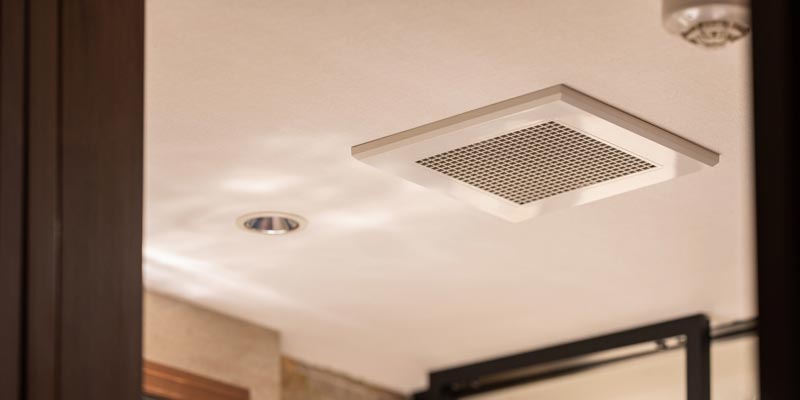
Proper ventilation is essential to support the hard work your insulation is doing and prevent the buildup of moisture. Here are the key steps to properly ventilate and protect your bathroom environment:
- Install a bathroom fan that is appropriate for the size of the room (1 cfm for every square foot of floor space). When possible, use durable metal or PVC ductwork to vent your fan, and run ducts as short and straight as possible.
- Monitor any bathroom windows for moisture buildup around the frame. Condensation will roll down the glass and collect on the bottom, so give them a good clean and check them often.
- Use paint with a semi-gloss finish, which helps repel moisture and makes it easy to wipe condensation away.
Insulation for bathroom walls and ceilings certainly makes sense for long-term protection from moisture and increased occupant comfort. No one likes a poor bathroom environment, and high-quality wood fiber insulation installed at the framing stage will save your project cost and increase performance.