TimberHP featured in RMI’s Building with Biomass: A New American Harvest
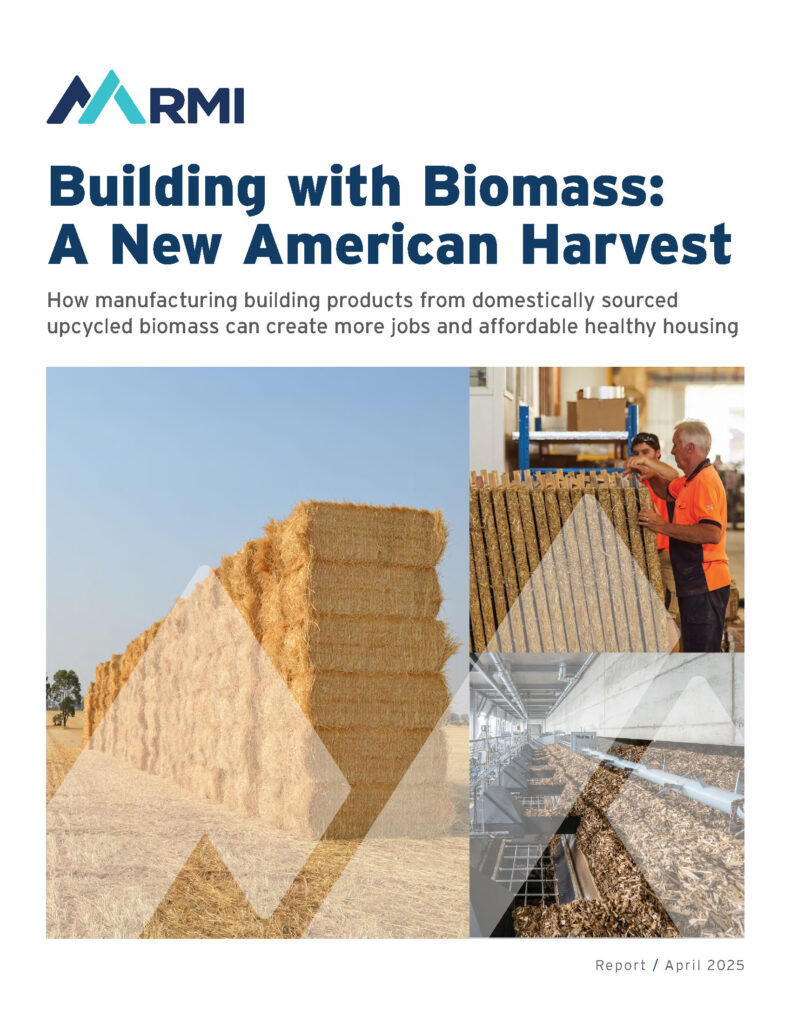
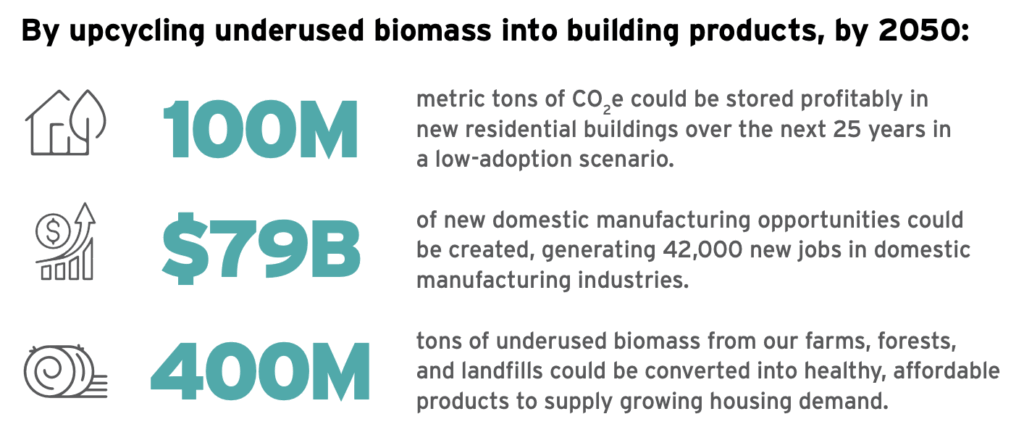
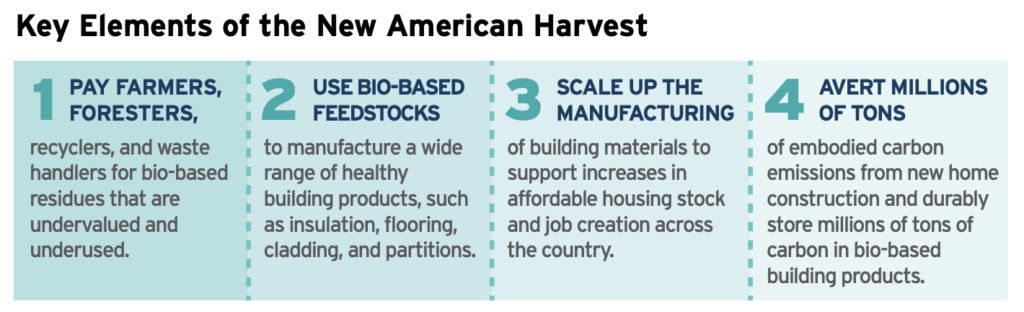
In a groundbreaking new report, Rocky Mountain Institute’s Building with Biomass: A New American Harvest highlights a powerful opportunity to transform America’s construction industry—and its future. By turning locally sourced, upcycled biomass into high-performance building materials, we can simultaneously create jobs, provide more affordable housing, and tackle climate change head-on with carbon negative building solutions. The […]
In a groundbreaking new report, Rocky Mountain Institute’s Building with Biomass: A New American Harvest highlights a powerful opportunity to transform America’s construction industry—and its future. By turning locally sourced, upcycled biomass into high-performance building materials, we can simultaneously create jobs, provide more affordable housing, and tackle climate change head-on with carbon negative building solutions.
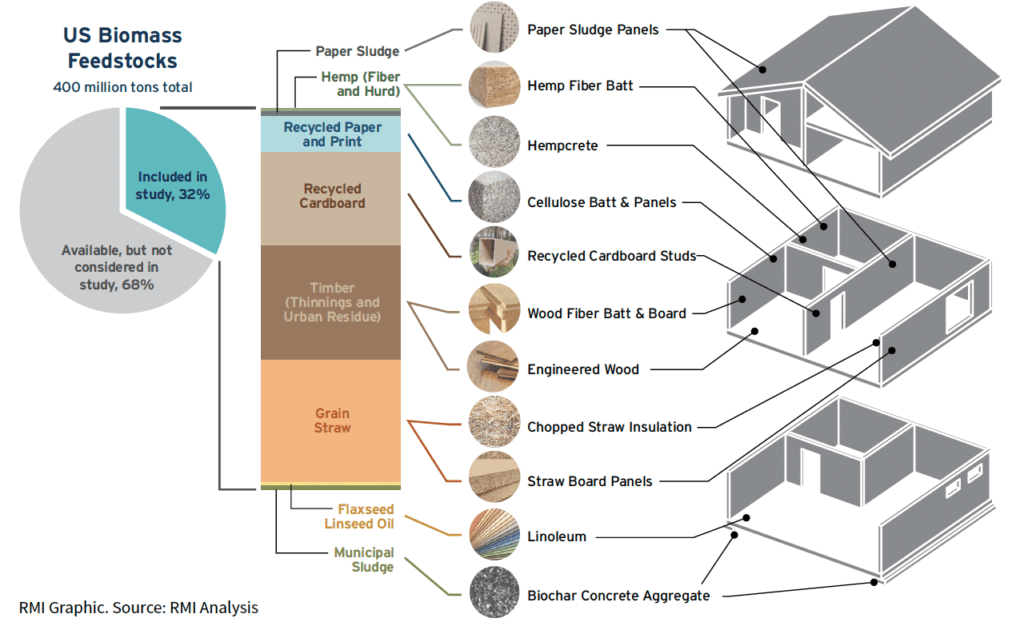
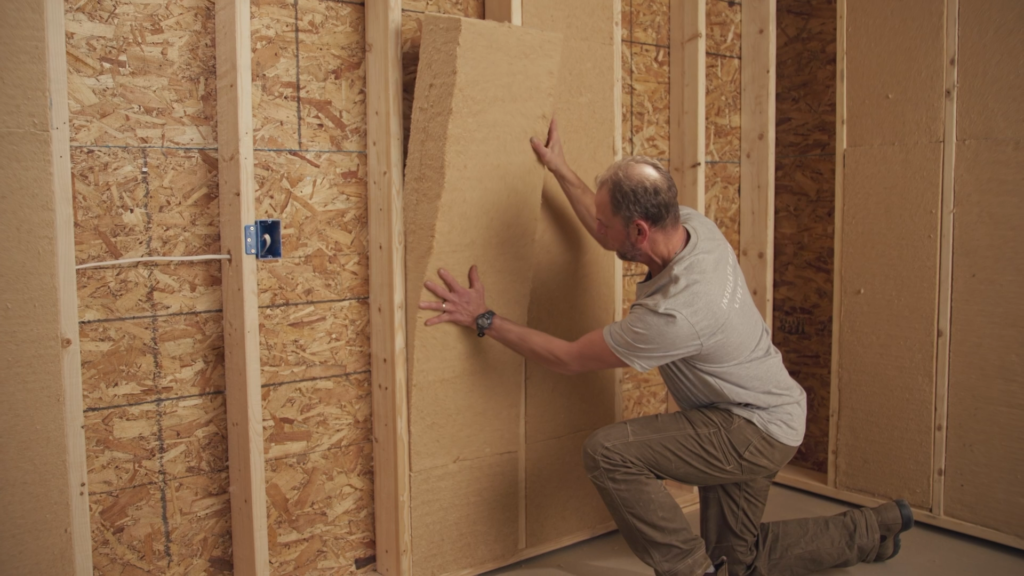
The report shows that bio-based materials like wood fiber insulation like TimberBoard and TimberBatt don’t just perform well—they actively reduce greenhouse gas emissions by locking carbon into our buildings. With abundant agricultural and forestry byproducts available across the U.S., the potential is enormous. Instead of letting this biomass go to waste, we can use it to fuel rural economies, create manufacturing jobs, and reduce wildfire risks.
Even better, these natural materials fit perfectly into the growing trend of prefabricated and modular construction—making homes cheaper, faster to build, and more sustainable.
Building with Biomass paints an inspiring picture of how a new “harvest” from America’s fields and forests could reshape the way we build—cleaner, greener, and stronger than ever before.
TimberHP Announces Pre-Negotiated Reorganization Plan with Significant Debt Relief and $29MM Bondholder Investment to Support Long-Term Growth
March 25th, 2025 Balance sheet strengthened; operations to continue uninterrupted in Madison through restructuring Madison, Maine – TimberHP, the sole manufacturer of wood fiber insulation in North America, announced today that it has filed a voluntary, pre-negotiated Chapter 11 plan of reorganization in the U.S. Bankruptcy Court for the District of Delaware. The plan, with […]
March 25th, 2025
Photo courtesy of University of Maine
Balance sheet strengthened; operations to continue uninterrupted in Madison through restructuring
Madison, Maine – TimberHP, the sole manufacturer of wood fiber insulation in North America, announced today that it has filed a voluntary, pre-negotiated Chapter 11 plan of reorganization in the U.S. Bankruptcy Court for the District of Delaware. The plan, with the support of its stakeholders, will significantly strengthen the company’s balance sheet and position it for long-term success. During the court-supervised reorganization process, business will continue as usual and without interruption, including the production and sales of its two, well received, existing product lines, TimberBatt and TimberFill.
“TimberHP is grateful to its sales partners, vendors, employee partners, and bondholders for standing by the company through this challenging, but necessary process. TimberHP has an incredible product line, and we are pleased to have the support and capital required to execute our business plan and address the growing demand for sustainable insulation materials in the U.S. construction industry,” said TimberHP CEO Matthew O’Malia.
With the advanced support of TimberHP bondholders and key creditors, the company expects to expedite the Chapter 11 process and emerge from bankruptcy within the coming months to a strengthened financial position and access to growth capital to complete construction of the manufacturing line for its third product, TimberBoard.
“The ongoing professionalism of our existing TimberHP employees, and their commitment to bringing our products to market through this period of change, has been inspiring to witness,” said O’Malia. “We’re excited to also have the capital moving forward to add key positions to our talented group.”
TimberHP will also be building out its sales and support team. The additional staff will allow the company to significantly ramp up its on-the-ground sales efforts throughout the Northeast and Mid-Atlantic states. TimberHP’s first two products, TimberFill and TimberBatt, have been well received throughout these regions, and the company looks forward to adding TimberBoard to its offerings.
For additional information about TimberHP’s restructuring, including access to court filings and other documents related to the Court-supervised process, please visit PACER. TimberHP is advised by Jefferies LLC as its financial advisor and Cozen O’Conner as legal counsel in connection with the reorganization.
When my partner and I bought our 1960’s home, we knew it was sorely lacking in some key energy efficiency components. Many of the windows, for example, were original to the house and drafts around their edges were immediately apparent. But our house was losing efficiency in other, less obvious ways revealed by our home […]
When my partner and I bought our 1960’s home, we knew it was sorely lacking in some key energy efficiency components. Many of the windows, for example, were original to the house and drafts around their edges were immediately apparent. But our house was losing efficiency in other, less obvious ways revealed by our home inspector’s infrared camera. Who knew the recessed toilet paper holder was a source of heat loss?! There were plenty of invisible flaws working against our (admittedly 40-year-old) HVAC system.
While a new heating system and energy-efficient appliances can do a lot, we weren’t going to improve energy efficiency in a significant way until we addressed the big picture: our thermal envelope.
What is a Building Envelope?
Just like the packaging for your mail, a building envelope is the physical barrier between your home’s interior and exterior. It’s a combination of the foundation, walls & siding, roof, and fenestrations (windows & doors). As you can imagine, it protects the interior of the home from wind, rain, snow, dirt, and sunlight. Its protection goes both ways, keeping elements from getting in and preventing heat or AC from getting out. The strength of your building envelope therefore controls temperature, moisture, air pressure, light, and even noise inside your home.
The better your thermal envelope, the less work your system will need to put in to maintain a comfortable temperature—meaning less energy used.
Much of the efforts in the construction industry to improve energy efficiency in both residential and commercial applications focus on enhancing thermal envelopes. For example, every 3 years the International Code Council releases a new set of guidelines, the IECC for energy conservation in building design and construction with standards for insulation, walls, floors, doors, and more.
Passive house design, widely considered the highest standard for home energy efficiency, also focus on perfecting the building envelope to achieve up to 90% less energy use than an average home.
How to Improve Energy Efficiency with a Superb Building Envelope
So, what makes a thermal envelope good? The best envelopes minimize thermal bridging, which occurs when heat passes through conductive materials to enter or escape your home. Studs, joists, metal components, and gaps in the insulation are common causes of thermal bridging. Here’s a breakdown of how to make each component of your building envelope maximally efficient.
Foundation
Your home’s foundation is the literal bedrock for the entire structure and benefits from the earth’s natural insulating properties. Just as it protects tree roots from extreme cold or heat, soil around your foundation can provide a buffer that moderates temperature fluctuations in your home. Typically made from rock or concrete, your foundation also has high thermal mass, helping to stabilize temperatures throughout the day. It’s no wonder my brother and I used to hang out in our family’s basement at the height of each summer.
However, these benefits alone do not always meet modern standards for energy efficiency. Cracks in your foundation, gaps around windows, doors, or the sill where the foundation meets the frame, and rim/band joists can compromise airtightness, allowing heat to escape or cold air (and often moisture) to seep in. Properly sealing and waterproofing your foundation is key to preventing energy loss.
Insulating your foundation also enhances efficiency and reduces the potential for thermal bridging. On new construction, exterior foundation insulation is becoming more common, applied to the outside of the foundation walls before backfilling. Continuous, rigid insulation board, like wood fiber TimberBoard, is most effective for these applications. It’s recommended to add a protective board/panel, 4” of pea gravel, and effective drainage away from the foundation to protect insulation from pests and moisture that could reduce its lifespan.
For existing homes, you can still improve your foundation’s contribution to the thermal envelope by insulating the interior. Rigid insulation board can be applied directly to interior walls, or you can frame walls and add high performance batt insulation like TimberBatt in between studs for a finished basement space.
Walls & Siding
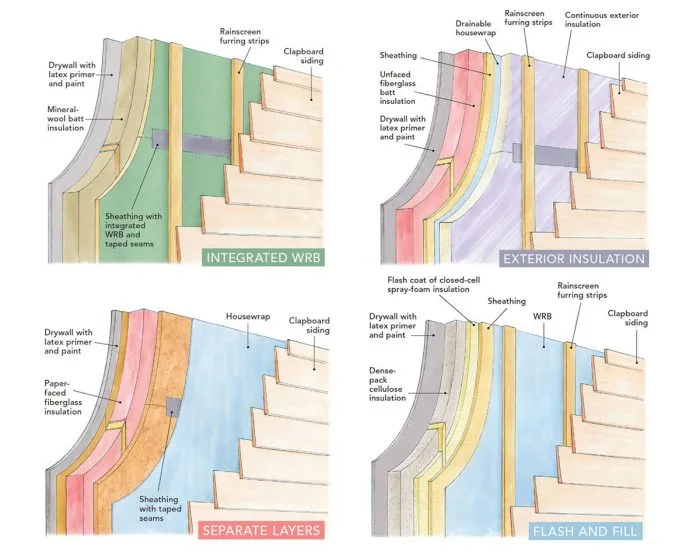
Walls make up the bulk of the barrier between interior and exterior, so ensuring they are properly insulated and airtight is essential. Like an onion, walls are constructed with multiple layers that carefully manage water, air, vapor, and temperature:
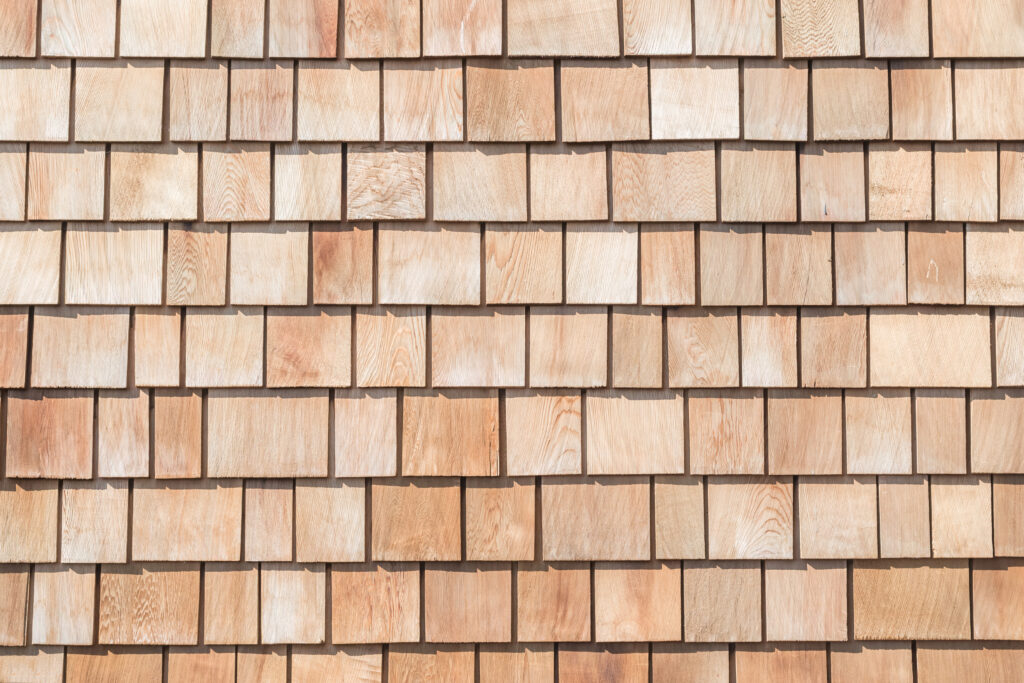
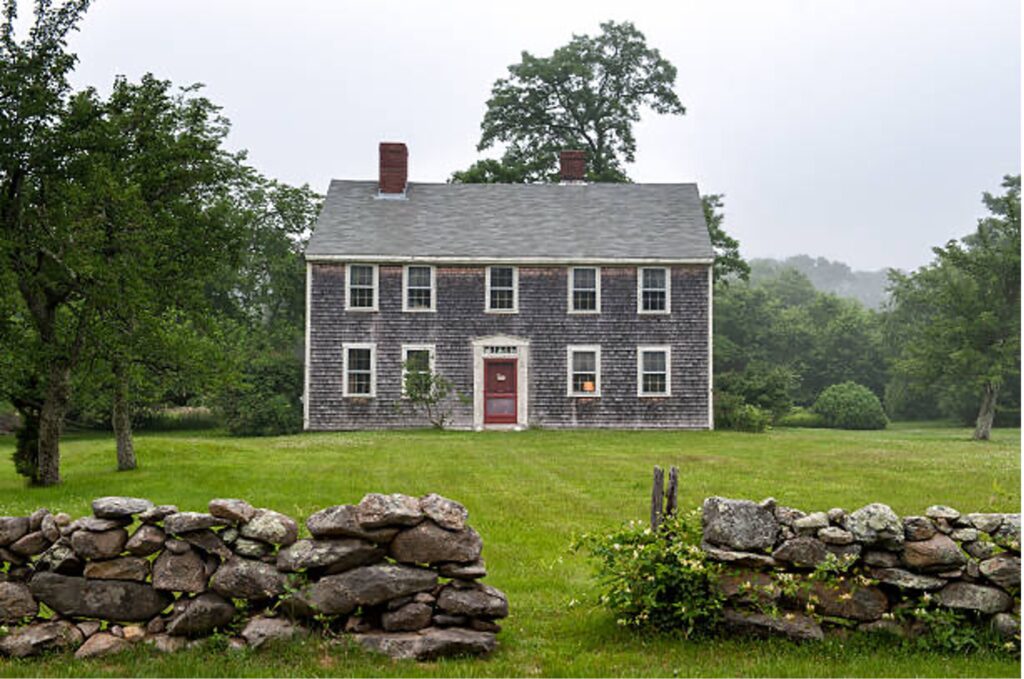
Siding: The outermost layer of your home’s walls takes the biggest hit from elements like precipitation, wind, and UV, so durability is key. Cedar shingles have been a popular choice since the 17th century, designed in an overlapping pattern to divert water away from the home and with natural rot and pest resistance.
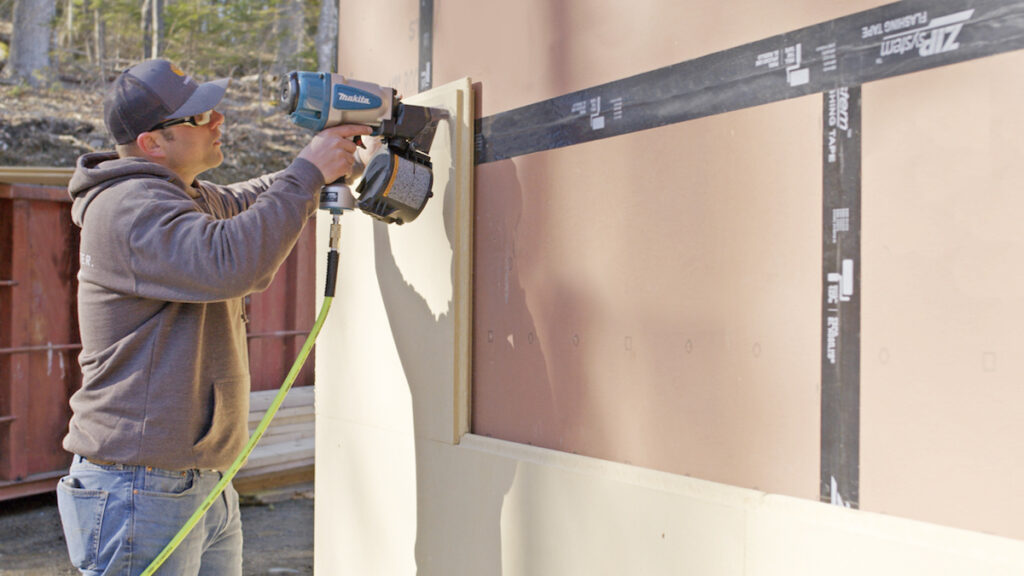
Continuous Exterior Insulation: Tongue and groove options like TimberBoard create a seamless, wind-tight, and water-resistant assembly. With the added benefit of vapor-open technology, this exterior wall insulation also allows excess moisture to escape, preventing rot and mold.
Housewrap: Vapor-open housewrap provides another layer of moisture management to your building envelope. To be effective, housewrap must be properly integrated with flashing around all fenestrations… more on that later.
Sheathing: Typically made with plywood, OSB, or Fiberboard, this layer primarily controls airflow and provides the structure on which other elements of the envelope rest. All seams in your sheathing should be taped to prevent air gaps.
Insulated Studs: Now we’ve reached your home’s frame, where high-performance dense-pack or batt insulation should be installed consistently between studs. Any gaps or settling can create air pockets that reduce your energy efficiency. Wood fiber options like TimberFill and TimberBatt offer high R-value with natural, moisture-managing properties, superior sound dampening, and fire resistance.
Painted Drywall: Finished walls play a role in your building envelope too. By applying latex primer and paint, drywall provides a vapor retarder.
There are many different common wall assemblies that use some or all of these elements as illustrated below by Fine Homebuilding. Some products combine multiple layers into one system for easier installation. But no matter the products specified, a quality envelope must manage water, air, vapor, and temperature.
Roofing
Roofs are one of the most common areas of heat loss in a home as heat rises and escapes through thermal bridges. Likewise, in hot weather, the sun can quickly heat your roof and therefore the air in your attic, making the interior of your house uncomfortable and putting your AC through the ringer.
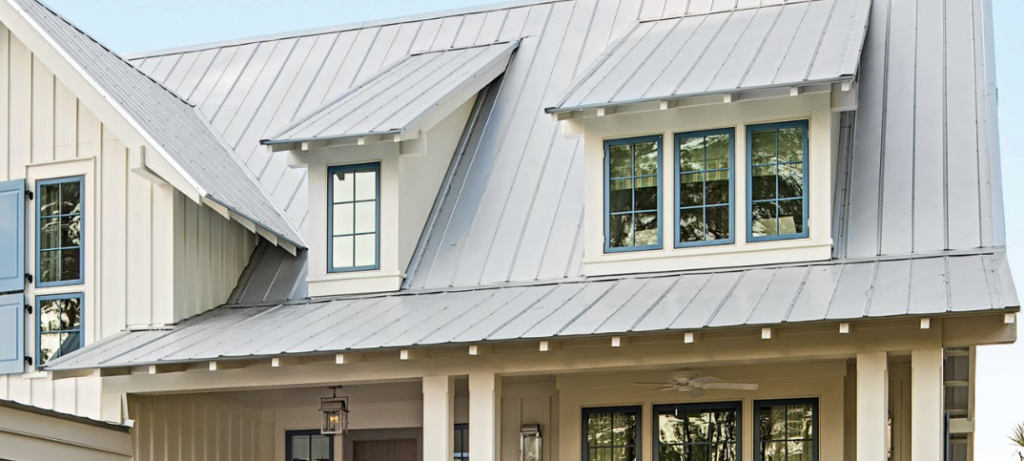
Like wall assemblies, energy efficient roofs use multiple layers to mitigate thermal bridging. It all starts with decking installed on roof joists to provide a base for roof coverings. Then a roof underlayment is applied to the exterior of the decking to provide a waterproof layer if the roofing material fails. The outermost layer can be made from several materials like traditional asphalt, cedar, or slate shingles, metal roofing, ceramic tiles, or synthetic products. Any intersections between slopes or projections like chimneys, vent pipes, or adjoining walls require flashing.
Your roofing should not be left alone in its responsibility to protect your home from moisture. Properly installed and maintained gutters and downspouts are essential to direct water away from your home and foundation. Overhanging branches can also create persistent wet spots where the sun can’t reach so regular trimming is important.
Inside your attic or crawl space, high-performance insulation is imperative. In an unfinished space, loose TimberFill insulation can be installed on the attic floor at the proper depth for your climate, preventing heat from escaping and keeping your living spaces below cool. TimberBatt insulation can also be laid between floor joists if you plan to add flooring and use your attic for storage or additional living space.
Windows & Doors
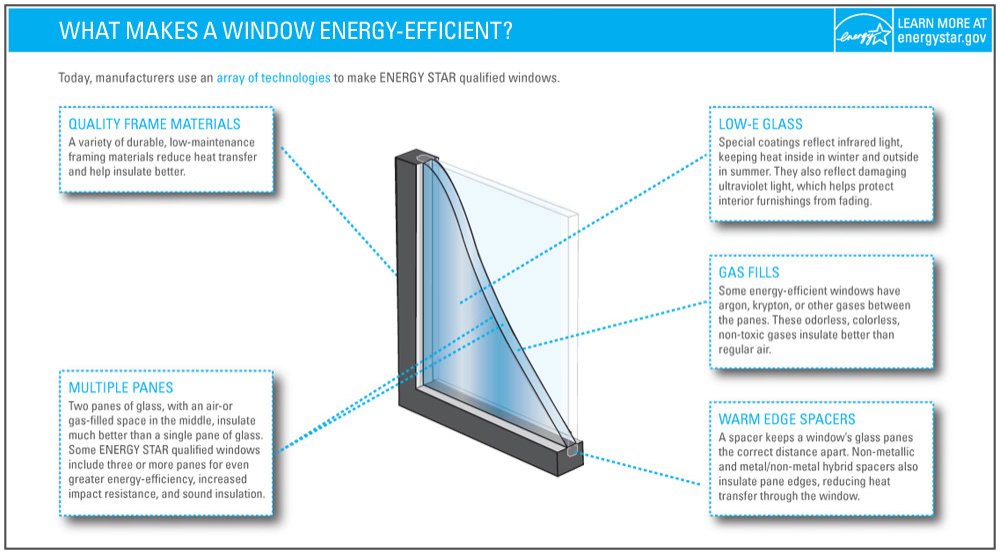
The keyword here is airtightness. Fenestrations are openings in your building, including windows, doors, and skylights. Of course, you need these things to enter and exit your home, provide light and aesthetic appeal, and regulate airflow. But they do create vulnerabilities in your thermal envelope. Heat gain and loss through windows accounts for up to 30% of energy use for residential heating and cooling. First and foremost, it’s crucial to select high-efficiency windows and doors. Look for the Energy Star label when shopping, and select a rating that matches your climate. The National Fenestration Rating Council offers a handy tool for determining the energy ratings you need based on your location.
Sealing around these fenestrations is equally important. Flashing should be installed around your window or door frame, and the sill should slope down towards the exterior to help unwanted water find its way out. Use an exterior rated sealant before fitting the window into place. Use caulk to fill any gaps between the window frame and the interior wall.
Ventilation
Preventing air from escaping or entering your home has been a big theme of this blog, but airflow also plays a part in your building envelope and indoor air quality. Mechanical ventilation systems like HRVs and ERVs can help efficiently exchange stale indoor air for fresh outdoor air with minimal heat loss or gain. Attic ventilation, for example, can release hot air during the summer and prevent moisture buildup. Ductwork, intakes, and outtakes should all be sealed to prevent air leakage. Properly venting appliances like your range and dryer, and installing fans in bathrooms to manage moisture also improves air quality. Regular maintenance and cleaning preserve the system’s integrity.
Wrapping Up Your Building Envelope
When all these components work together to create an efficient building envelope, your home can save up to 20% on heating and cooling costs and increase in value.
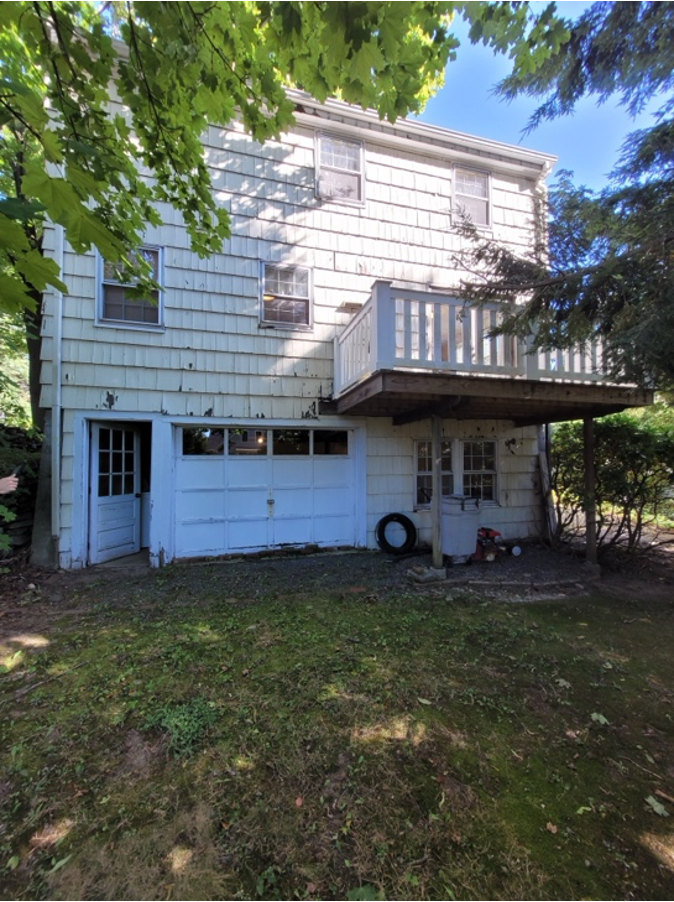
It’s our first winter as homeowners in Maine and my partner and I are doing what we can to improve our thermal envelope. We’ve added plastic sheeting to our old windows to reduce drafts, installed weather stripping around our door frames, cleaned the gutters, and trimmed our trees to get more sun on the roof. But come spring, we’ll be tackling some bigger projects. We aim to strip the old, water-damaged siding, install exterior insulation board, re-wrap the house, and put up fresh wood shingles. It’s a long list, but I’m looking forward to the differences it will make in our indoor comfort (and in our monthly bills). Wish me luck!
We’re coming up on Valentine’s day and I’m reminded of some of my favorite love stories: “as you wish,” in The Princess Bride; the boisterous March sisters in Little Women; cold plums in This is Just to Say by William Carlos Williams. And a favorite, A Reverence for Wood, by American landscape painter, Eric Sloane. […]
We’re coming up on Valentine’s day and I’m reminded of some of my favorite love stories: “as you wish,” in The Princess Bride; the boisterous March sisters in Little Women; cold plums in This is Just to Say by William Carlos Williams. And a favorite, A Reverence for Wood, by American landscape painter, Eric Sloane. As close as one can get to a love story about timber, Sloane describes the complicated—what relationship isn’t?—and sometimes exploitive link between America and wood. Always a great observer, he points to the often magical qualities of wood, especially when in the hands of a craftsman who knows and respects it.
This relationship between forest and man is a cornerstone of American history and culture—evident in cradle, barn, bowls, chairs, and coffin. Yet he also saw how development and urbanization moved us further from our intimacy with the material and in doing so, led us to mistreat it.
“It may be that after we have spent a century or two in expending our wealth of wood to seek the riches of other planets, we will realize that our greatest wealth was right here on earth after all.”
Even 60 years after its original publishing, it’s easy to see the distance that Sloane describes: countertops made of laminate, fiberglass in our walls, and vinyl on our floors that try as it might, never quite looks like the wood it claims to imitate. But, “modern tires, plastics, medicines and paints, boxes and cartons and bags and newspapers; almost everything we use can still be traced in some way to the tree.”
At TimberHP, we believe wood is key to both our history and our best future. It offers beauty, strength, health and the miraculous capacity to regenerate. But the relationship goes both ways. We need to balance our consumption with care and respect, practicing sustainable forest management and nurturing native species. So, in the spirit of Valentine’s, consider this our love letter to wood and how you can incorporate it, lovingly, into your home.
Why Wood?
Bear with us while we wax poetic about the advantages of timber construction and designing with wood. Hopefully you fall in love too.
Sustainability
Wood does something no other building material can. It produces itself using only solar energy (okay, and water). And it does so in a short time; with most timber harvested after 30-100 years of growth. Yes, this is incredibly short compared to the millions of years needed to make stone, coal, and fossil fuels for the manufacturing of steel, concrete, vinyl, and other man-made building materials. This is exactly what makes timber a renewable resource.
When we choose to source wood locally and responsibly, this renewability grows even stronger. Sustainably managed woodlots selectively harvest trees, regularly monitor the overall health of the forest, and plant new trees. This not only protects the biodiversity and long-term health of the woodlot but also ensures it can meet human needs for generations to come. In our home region of New England, softwood species like Eastern White Pine are fast-growing with long, uniformly packed fibers that offer a high strength-to-weight ratio—the perfect candidate for durable, regenerative building.
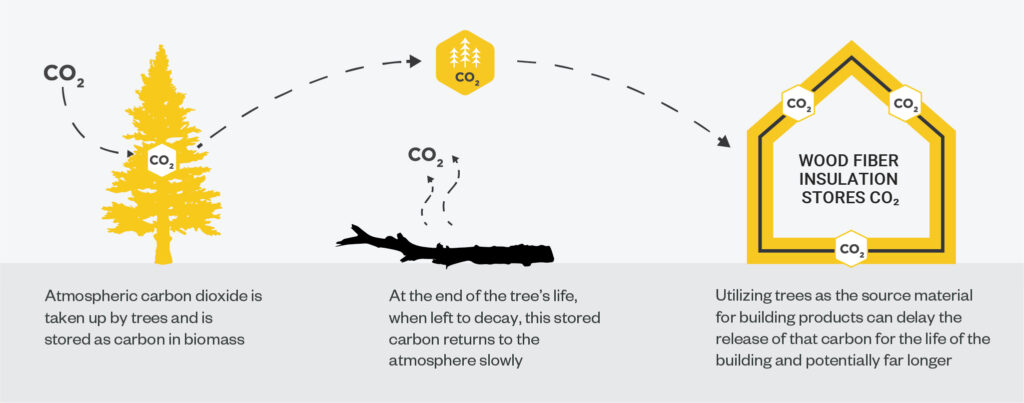
Throughout its lifespan, wood also stores carbon, something we have an increasing excess of. Even when cut down and milled, most species of wood are approximately 50% carbon by weight. Thus, it continues storing carbon in building applications while new trees grow in forests.
To top it all off, wood products are highly recyclable. Discarded wood can often be recut and repurposed into something new—just look how our products are made with wood waste from lumber yards. And when its usable life ends, wood is biodegradable, returning to the soil to help other plants grow. Truly, timber is one of the most sustainable building materials and it’s no wonder that humans have been building with wood for more than 10,000 years.
Performance
While wood is busy storing carbon in your home, it is also improving performance and safety. Did you know that wood can provide equal fire resistance to concrete structures? In fact, cross-laminated timber performs above code requirements. Wood also naturally manages moisture, resists chemicals and corrosives, and can be designed to withstand hurricanes and earthquakes. When integrated in a well-designed envelope and properly cared for, wood can last indefinitely. Just take the Sakyamuni Pagoda, for example, a wooden structure that has been standing strong for 957 years and counting.
Perhaps our favorite attribute of wood is its high energy efficiency. Wood naturally has a low thermal conductivity compared to materials like steel or concrete. This means it does not easily allow heat to pass through, helping to maintain stable indoor temperatures in all seasons. The energy required for heating and cooling, therefore, tends to be lower in wooden structures, which can significantly reduce energy costs and consumption.
Human Health
There is growing research on the effects of our built environments on our health. VOCs, for example, are gasses emitted into the air from products or their manufacturing processes, some of which can have long-term health effects. As a natural product, wood is low-VOC. By managing moisture, temperature, and sound, wood products increase indoor air quality and comfort.
Recent studies have also shown a tangible health benefit to biophilic design—AKA surrounding yourself with natural materials is good for you. Living and working in spaces with wood can decrease stress, improve productivity, and increase relaxation.
Beauty & Versatility
It almost goes without saying that wood is aesthetically appealing. Its beauty is timeless, adapting to and enhancing different design sensibilities across the ages. Hand-hewn beams fit a rustic look, intricately carved moldings work well with Victorian designs, and smooth wood paneling adds to the clean lines of contemporary interiors. It brings warmth and texture to any space and can be crafted into virtually any shape and finish, making it incredibly versatile.
As it ages, wood can develop a patina or change in color, adding depth and character to evolving interiors and making your home feel lived in. And if your design aesthetic changes, most wood elements can be refinished to match. Whether it’s the centerpiece or the backdrop, wood balances other materials for a complex and cohesive aesthetic.
All Wood Construction: Where to Use Wood in Your Home
At this point you’re thinking, “I get it: wood is good! But where and how do I use it in my home?” As we’ve discussed, timber is both a valuable building material and an ideal design element. Here are 6 ways you can incorporate timber into your home and strive towards all wood construction.
Mass Timber Construction
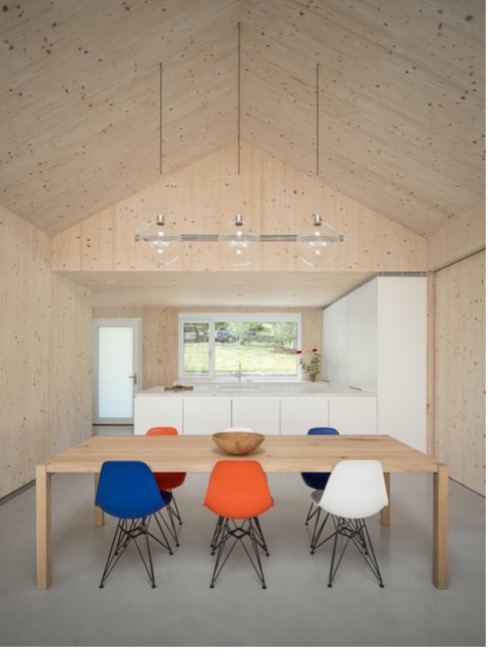
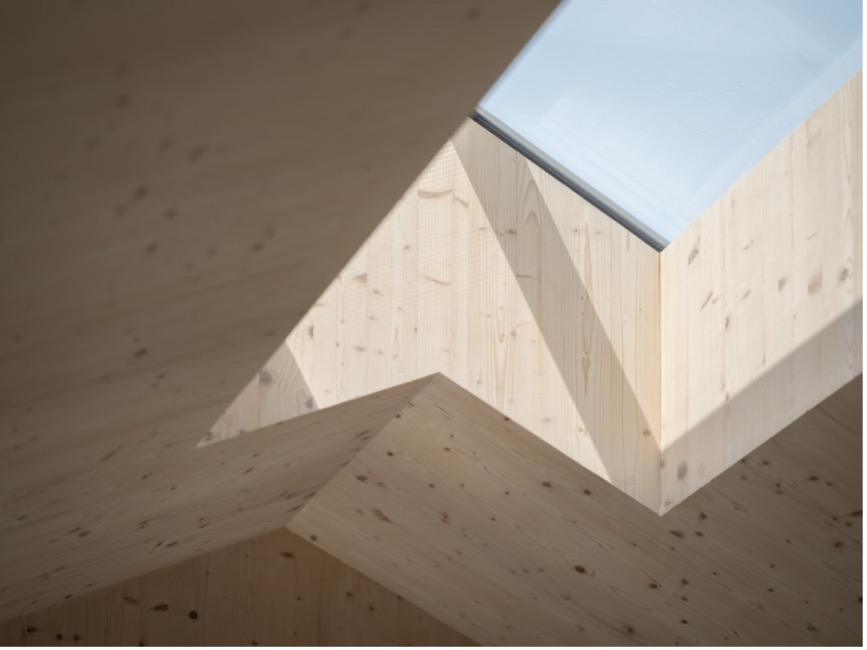
Approximately 90% of single-family homes in the US are stick-built—meaning they are framed with wood. This traditional construction method is time-tested and highly customizable. But a new timber construction method is gaining popularity: mass timber construction. In mass timber architecture, solid wood panels are glued, nailed, or doweled together to create exceptional strength and stability, rivaling steel or concrete. This technology is particularly useful in constructing multi-story, commercial buildings but can also be used to build cross-laminated timber houses. In residential and commercial applications, the solid CLT wood panels are often left as the interior finish material, resulting in gorgeous, warm, and non-toxic interiors. Whether through stick-built or mass timber construction, wood is the perfect base for the rest of your home.
Exterior Wood Siding
The exterior of your home must face daily challenges like moisture, changes in temperature, sun exposure, wind, debris, and animal interference. Safe to say, it needs to withstand a lot. Certain species of wood like Cedar and Redwood, harvested from sustainably managed woodlots, are naturally resistant to rot and insect attacks. Wood’s insulating properties mean this siding choice adds an extra layer of energy efficiency to your home. With proper care, it can last decades and has a high return on investment, increasing your property value. Speaking of curb appeal, wood can be stained or painted in virtually any color and ranges in shape from simple planks to decoratively carved shingles.
Wood Fiber Insulation
Ditch the itchy fiberglass or the foam insulation that will take 500 years to break down and opt for sustainable, high-performance wood fiber insulation. Made from the wood waste of lumber yards and mills, wood fiber insulation is a fire-resistant and healthy solution that offers high R-values and unmatched acoustics. It’s safe and easy to work with, improving your home efficiency in a way that’s safe for the humans inside and the environment.
You can find it at locally for DIY projects at prices competitive with traditional insulation materials or talk to your architect about specifying wood fiber insulation on a new build.
Hardwood Flooring
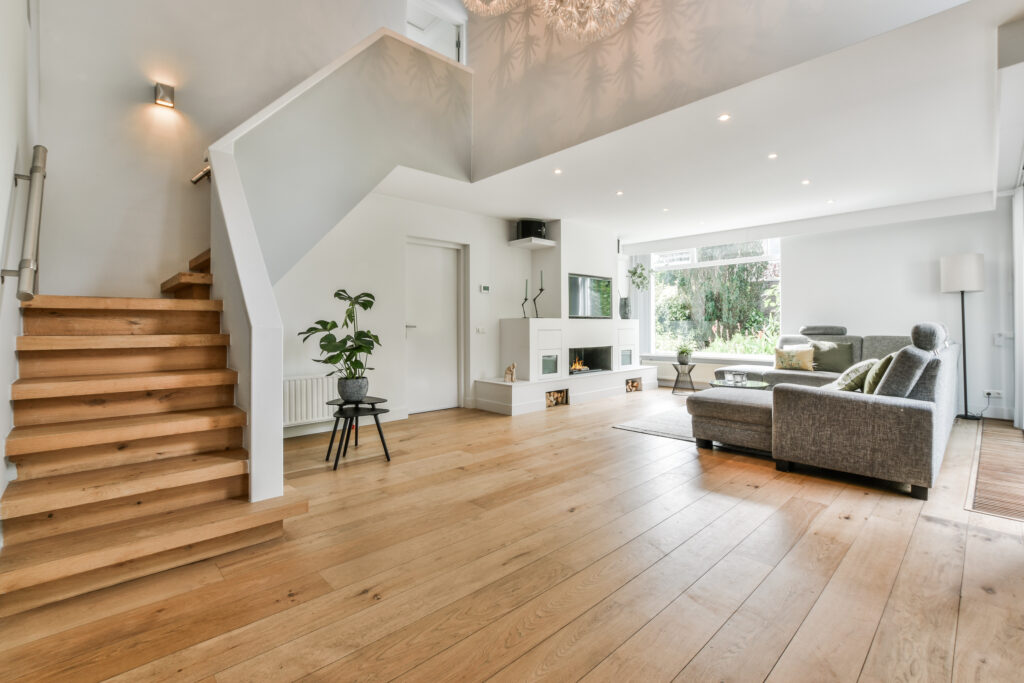
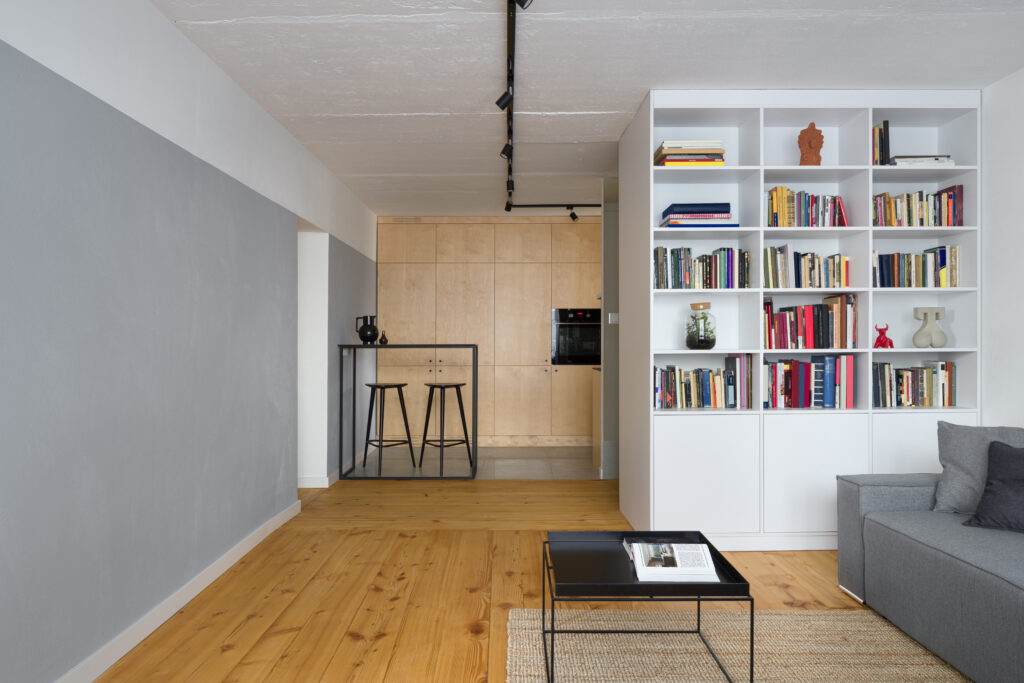
With so many varieties, stains, finishes, and layouts, wood floors are incredibly design versatile. Research native timber species in your area to choose a fast-growing, sustainably harvested option. Not only is this environmentally responsible, it also helps you create a home that is rooted in place. For us, that means beautiful, knotty New England pine that brings warmth and visual interest to our floors. The milling of pine boards results in leftover woodchips that TimberHP can then transform into high-performing insulation.
Another one of the benefits of hardwood floors is that they’re durable, standing up to daily foot traffic, pets, and furniture. I’ve worked in a number of homes with wood floors that are more than 200 years old and still look great. The vinyl sheeting in my kitchen, on the other hand, is around 20 years old and bears stains, discoloration, scuffs, and peeling around the edges. The secret? Wood flooring can be refinished—sometimes even 10 times over its lifespan, depending on the thickness of the original planks. Like with wood siding, hardwood floors also add value to your home with many buyers willing to pay more for a home featuring wood flooring.
Cabinetry & Millwork
Millwork refers to the decorative architectural features of your home like window and door trim, molding, baseboards, wall paneling, railings, and mantels. Wood millwork is elegant, equally customizable, and is available ready-made in a variety of styles.
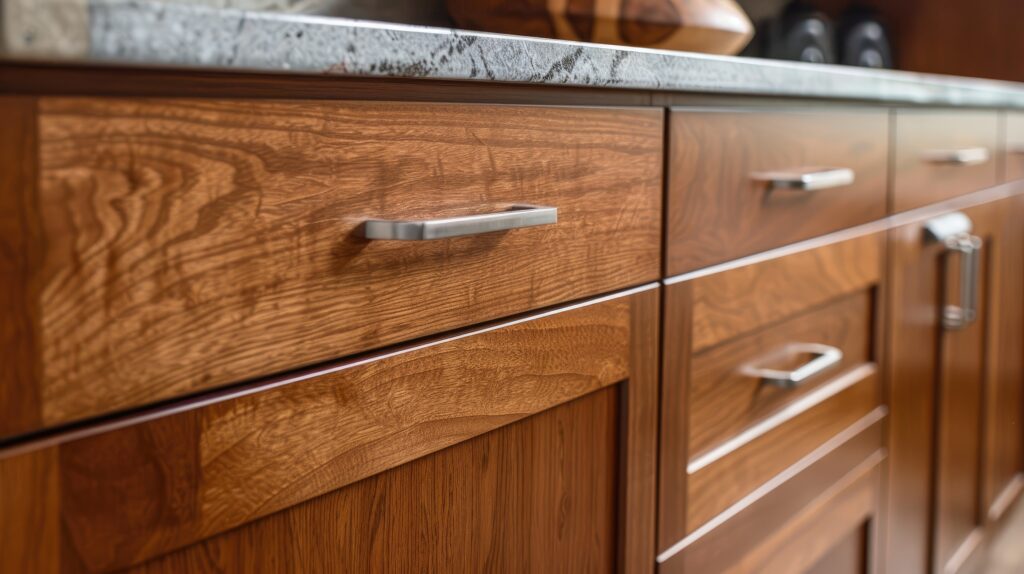
Solid wood cabinets are a hallmark of quality and elegance in home design providing both aesthetic appeal and functionality. They are durable and can take the daily use that comes with any kitchen. Like other wood design features, they can also be refinished and painted to match your style.
Furniture & Decor
Why not add just a little more wood to your home to top it off? Dining sets, bed frames, bookshelves, and nightstands—virtually any furniture piece can be crafted with wood, and the result is something beautiful, unique, and long-lasting. Wood furniture can last centuries and is often passed down between generations, valued for enduring style and the stories they hold. When you buy furniture from small-scale woodworkers, you support the local economy and encourage this heritage craft. And if you’re anything like me, there are lots of treasures to be found at antique stores and thrift shops.
The love story here is not just about celebrating the history of wood and praising its attributes. It’s also about taking the time to examine our relationship with this natural resource and think critically about how we can make it beneficial for both sides, human and tree. As the climate changes and our native wood species come under threat from far more than human harvesting, it we must continually adapt our regenerative practices to support the long term life of our forests. We hope you join us in furthering wood’s place of honor in the future of our built environment through your careful choices as a homeowner.
How Regionally Sourced Materials Advance Sustainable Architecture
Buildings are a lot like restaurants—hear me out! Consider the boom in farm to table restaurants. Diners delight in and chefs pride themselves on utilizing local, seasonal ingredients to create dishes that reflect the region and champion sustainable practices. Buildings are much the same. They consist of a selection of ingredients that reflect the design […]
Buildings are a lot like restaurants—hear me out! Consider the boom in farm to table restaurants. Diners delight in and chefs pride themselves on utilizing local, seasonal ingredients to create dishes that reflect the region and champion sustainable practices. Buildings are much the same. They consist of a selection of ingredients that reflect the design principles and impact the embodied carbon in the finished product. And just like the journey of food from farm to kitchen, where those building materials came from matters.
Every material chosen and every building erected leaves an indelible mark on our planet. The concept of embodied energy and embodied carbon provides a lens through which we can measure this impact, tracking the energy consumed and carbon emitted from the extraction, production, and transportation of building materials. For architects and builders committed to a future of sustainable architecture that minimizes the ecological footprint of our built environment, choosing sustainable building materials is a crucial step.
What is Embodied Carbon?
Embodied carbon refers to the total carbon dioxide emissions that occur during the full lifecycle of the material. That means adding up the greenhouse gases produced in extraction, production/processing, transportation, installation/construction, all the way to disposal.
Similarly, embodied energy represents the total energy required to produce any building material throughout these processes. Together, they offer a full picture of a material’s environmental impact before it even arrives at a construction site. By choosing materials with lower embodied energy and carbon, architects and builders can significantly reduce the overall environmental impact of their projects.
Let’s explore two common building materials that illustrate the variance in these environmental impacts:
Concrete: Concrete is widely used for its strength and durability, but it has a high embodied energy and carbon footprint. The production of Portland cement, a key ingredient in concrete, involves heating limestone and other materials to high temperatures, which consumes significant amounts of energy and releases a substantial amount of CO2. Moreover, the extraction and transportation of raw materials add to its overall embodied carbon. Concrete’s extensive use in construction globally makes it one of the biggest contributors to carbon emissions in the building sector.
Timber: On the other hand, timber presents a stark contrast. As a renewable resource, timber has a much lower embodied energy when sourced sustainably. It absorbs CO2 from the atmosphere during its growth phase, effectively storing carbon until the end of its use. When processed using energy-efficient methods and transported over shorter distances, timber’s embodied carbon remains relatively low. Additionally, timber that remains in good condition at the end of its life can often be recycled to manufacture wood-based products such as panels, mulches, or paper or converted into biomass energy as an alternative to fossil fuels.
Of course, architectural designs will determine some of the needed characteristics of your building materials, such as strength, fire resistance, R-Value, and more. But when faced with building material decisions, consider sourcing as a key calculation in its embodied carbon.
The Cost of Distance: Transportation’s Role in Sustainable Architecture
The journey of building materials from their source to the construction site can profoundly affect their carbon footprint. Trucks, cargo vessels, and even planes used to bring building materials across countries and oceans consume fuel and create emissions. Long distance freight also inflates their prices with fuel costs, insurance fees, and logistical expenses. Even still, most new homes contain materials from around the globe, from Italian marble and Canadian hardwood to German engineered windows and Chinese-manufactured steel. But this wasn’t always the case.
Historically, buildings were constructed mainly with locally sourced building materials, not just out of necessity but also because it was the most sustainable option available. In the Southwest, for example, the prevalent use of adobe and stucco reflects the availability of clay. Meanwhile, old New England properties are often characterized by wide pine floors and natural fieldstone walls, materials that were easily acquired from the surrounding area. These building materials define the architectural character of the regions while minimizing the environmental impact associated with their use.
Why is Building with Local Materials Better For The Environment?
We can and should shift our choices back to locally sourced building materials. Of course, one of the most substantial environmental advantages of using local materials is the significant reduction in carbon emissions and energy consumption associated with transportation. Shorter supply chains also typically mean less fluctuation in material prices. These sustainable building materials support local economies, keeping money within the community and allowing local businesses to invest in eco-friendly extraction and manufacturing practices. Furthermore, local materials are often inherently suited for the local climate, reducing energy use for heating, cooling, moisture-management, and more.
TimberHP: Pioneering Local Solutions for Green Building Materials
One material every building needs is insulation and TimberHP is committed to providing local, sustainable, and high performing insulation to the US. Inspired in part by New England’s traditional practices of using locally sourced building materials, TimberHP has introduced wood fiber insulation technology in the United States. Originally a European innovation, wood fiber insulation is known for its excellent thermal properties and environmental benefits. However, importing these materials from Europe presented significant environmental and economic barriers. By establishing production in Madison, Maine, we’ve cut down on carbon emissions from shipping and provided a source of green building materials to US architects and builders that meet the demands of energy-efficient home designs. Unlike other insulations that are derived from fossil fuels, our products are biogenic, non-toxic, and biodegradable. Our products arrive at the jobsite carbon negative and help sequester carbon throughout the lifetime of the building they are used in.
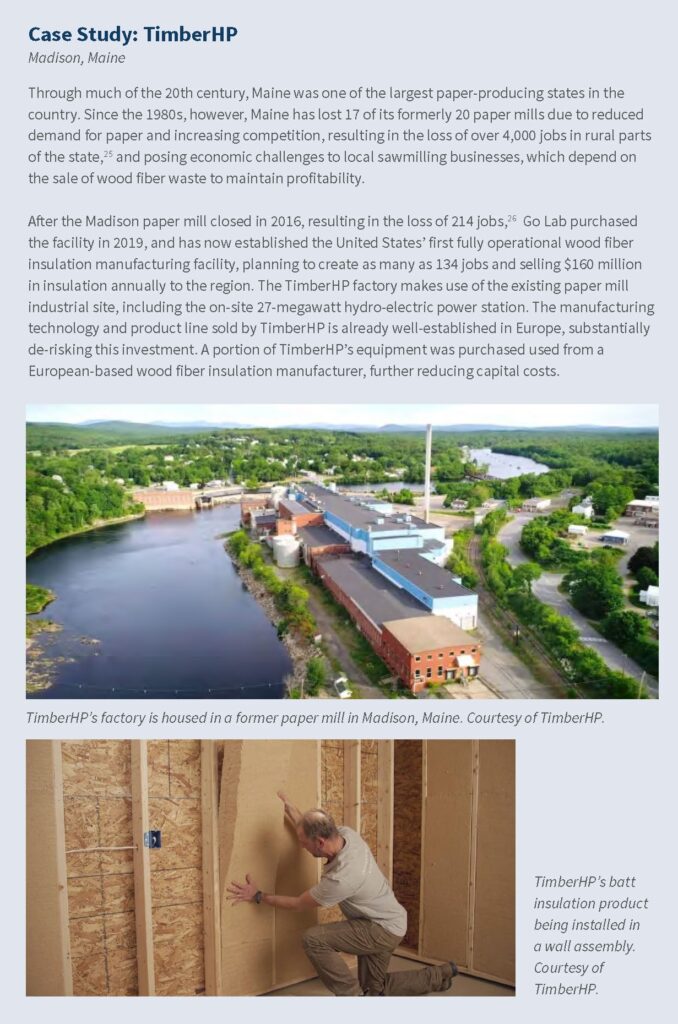
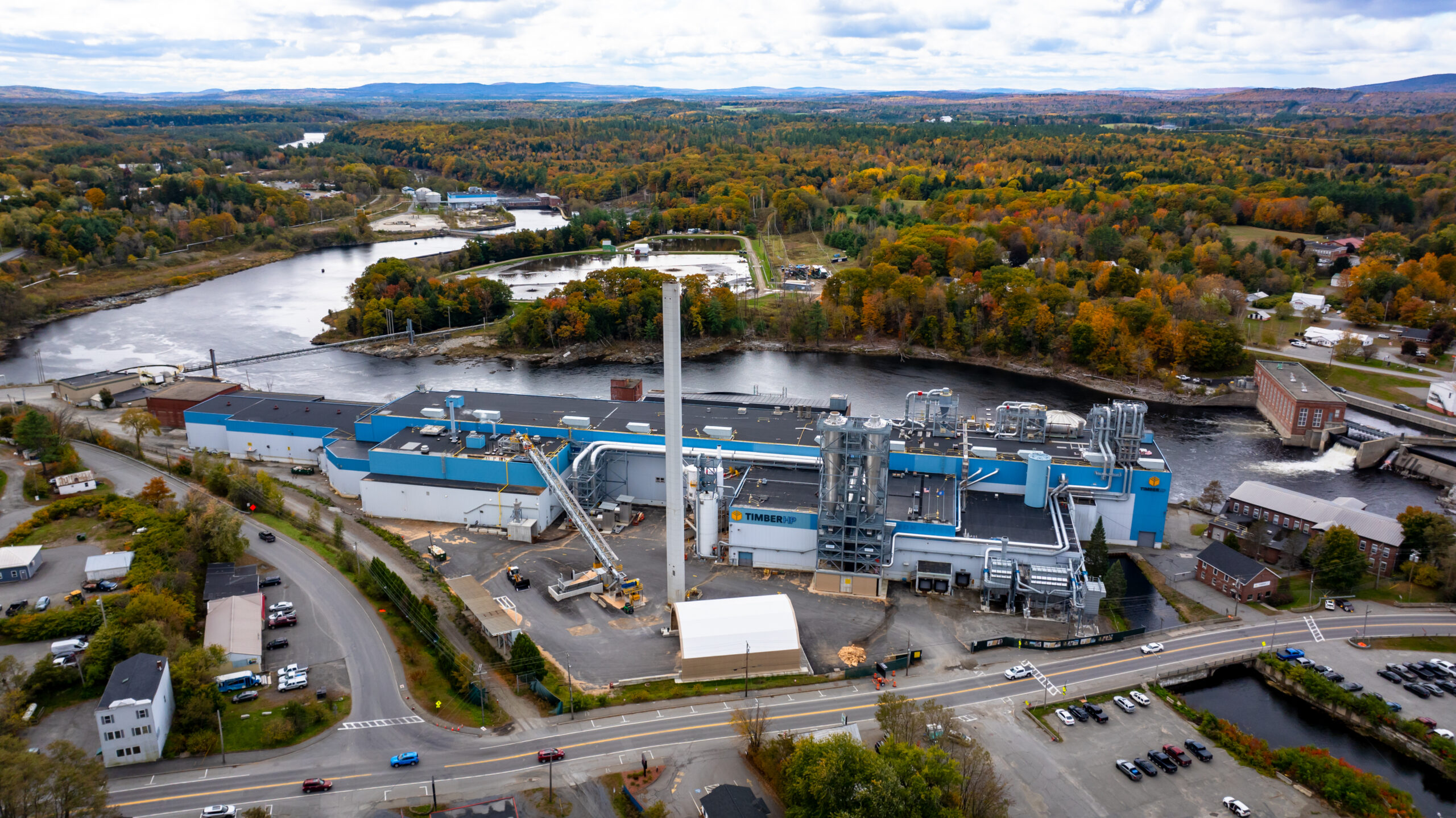
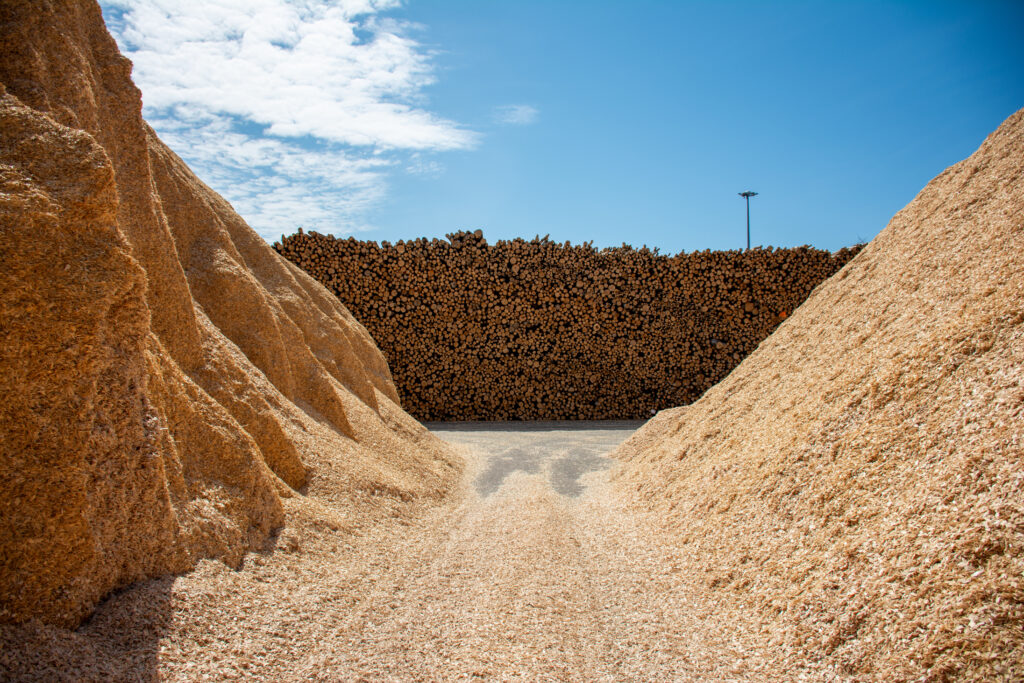
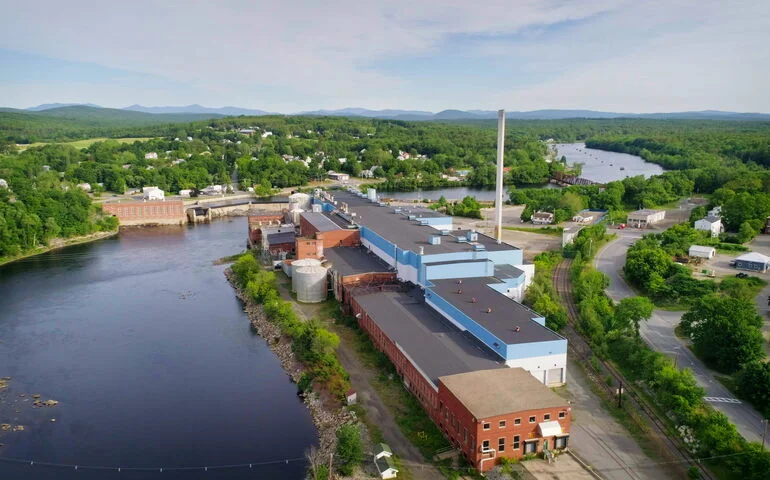
We renovated the once derelict Madison Paper Mill, reviving the job market in this Northern Maine town. We partner with local lumber yards and mills to reuse their wood waste as our feedstock. They practice sustainable forestry throughout New England, managing our woods for long term health and in the process create residual wood chips that would otherwise be considered waste. Instead, we process this leftover wood into wool-like fibers to make our non-toxic, highly-efficient insulation. And when all of that is said and done, we stock our finished products with local dealers.
But that’s just one small slice of the country, and the globe. We hope to not only expand our manufacturing to other regions of the US, but also serve as a model to other innovators in sustainable architecture. The benefits of wood fiber insulation and local sourcing are no secret of ours! The more businesses and communities that take up the project of creating sustainable, locally sourced building materials, the more we all benefit. We encourage professionals in the building industry to check out our technical library, attend one of our continuing education events, or get in touch with us to learn more. There is a growing recognition in the building industry for the need to reduce embodied carbon and to further evolve sustainable architecture, we believe solutions lie close to home.
Pick up a copy of Architectural Digest, Fine Homebuilding, or Dwell and you’re likely to spot some of today’s homebuilding buzzwords like ‘net zero,’ ‘biophilic,’ ‘smart home,’ and ‘minimalist design.’ Among them, you might find mention of something called ‘passive house construction,’ a set of building standards that has been gaining momentum in the new […]
Pick up a copy of Architectural Digest, Fine Homebuilding, or Dwell and you’re likely to spot some of today’s homebuilding buzzwords like ‘net zero,’ ‘biophilic,’ ‘smart home,’ and ‘minimalist design.’ Among them, you might find mention of something called ‘passive house construction,’ a set of building standards that has been gaining momentum in the new construction industry and reshaping how we think about our built environment. It has even found its way into building codes in the U.S. But what is a passive house?
In the face of escalating energy costs and growing environmental concerns, the construction industry is witnessing a significant shift towards more sustainable building practices. Among these, passive house design concentrates on home energy efficiency and environmental stewardship. This blog explores what a passive house entails, the standards it must meet, its myriad benefits, and how this innovative design principle is shaping the future of construction.
What is a Passive House?
Developed in Germany in the 1990s, Passivhaus, or Passive House Design, is a set of building design standards that achieve high energy efficiency, superior living comfort, and long-term affordability. They can be applied to any building, commercial or residential, anywhere in the world. These low-energy buildings are designed to be air-tight and well-insulated to reduce the need for, and therefore the cost of, active heating and cooling.
These factors combine to produce high home energy efficiency, making it possible for passive homes to use up to 90% less energy than a typical dwelling. Through careful site layout, they leverage the natural heating power of the sun to keep buildings warm in the winter. In warmer months, passive cooling techniques such as shading reduce the need for air conditioning. Higher insulation levels help with less fluctuation in indoor temperature resulting in increased comfort. The focus on proper ventilation improves air quality. Passive house insulation not only contributes to the home’s energy needs, but it also has the added benefit of reducing external and internal noise for a more peaceful living space.
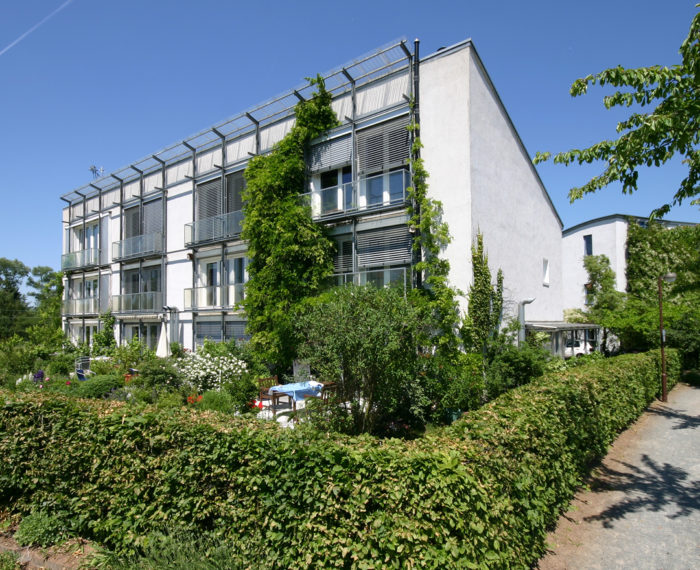
The tradition of low-energy building had been evolving for centuries, but the first passive house prototype was completed in Darmstadt-Kranichstein, Germany in 1991. The building consisted of four row houses designed by the architectural firm Bott, Ridder and Westermeyer. Since then, more than 44,000 certified passive house units have been reported by the International Passive House Association.
How do Buildings Receive Passive House Certification?
Passive houses come in all shapes, sizes, and styles. There is no single, right method for passive house construction, and architects must adapt their designs depending on the climate their structure will be built in. To achieve passive house certification these buildings must follow the 5 core passive house principles:
No Thermal Bridging: Thermal bridges, also known as cold bridges, are weak points in a home’s structure such as gaps between the inside and outside of the building. While this seems obvious to avoid, standard home construction can create many thermal bridges such as regularly placed studs that conduct heat through the building’s walls. Through the use of continuous insulation like TimberBoard and carefully chosen construction methods, passive house design eliminates or reduces the impact of thermal bridges.
Airtight Construction: Much like thermal bridges, unintended airflow between the inside and outside can increase energy usage. Passive House standards require exceptionally tight building envelopes but do not sacrifice indoor air quality. Passive homes must pass a blower door test with an air-leakage rate of less than 0.6 air changes per hour.
Passive House Insulation: High-quality insulation is key to minimizing heat exchange with the outside environment. Passive homes often use 50% more insulation compared to code-built structures and feature energy-efficient, sustainable options like wood fiber insulation that minimize heat loss and ensure buildings are airtight.
Energy Efficient Windows: Fenestrations like doors and windows are common weak points in any building. Passive house designs choose energy-efficient windows that employ techniques like triple glazing and low-E coatings to reduce heat conduction. Proper sealing around openings is also important to their efficiency.
Ventilation & Heat Recovery: Proper mechanical ventilation ensures fresh air enters the home with minimal heat loss. Heat is transferred from exhausted air to the new air via HRVs or ERVs before circulating through the home.
While these are the central passive house principles, to receive true certification, buildings must meet specific energy standards put forth by the Passive House Institute. Architects and builders are encouraged to contact a certifier early in the design process, allowing problems to be identified and corrected before the build is complete. After construction, they will perform a final inspection of the building and documents. If they meet the criteria, the owner will receive a Passive House Certificate and an optional plaque.
What’s the Difference Between a Passive House and a Net Zero Home?
The concepts of “passive house” and “net zero home” both aim to drastically reduce the environmental impact of residential buildings and improve energy efficiency, but they approach these goals through different means and standards. A passive house focuses on energy conservation and health. The design minimizes the home’s energy requirement for heating and cooling through super-insulation, airtightness, and heat-recovery ventilation systems. The standard doesn’t necessarily mandate the generation of renewable energy but focuses on reducing the need for it in the first place.
A net zero home, on the other hand, is designed to produce as much renewable energy as it consumes over a year, achieving a net zero energy balance. This means the total amount of energy used by the building on an annual basis is roughly equal to the amount of renewable energy it creates.
These two types of energy-efficient home designs may use some of the same techniques to achieve their goals. For example, it’s much easier to compensate for energy use in a net zero home when the building has minimal heat loss thanks to passive house insulation. In fact, dual certification is possible and would significantly reduce the building’s carbon footprint while lowering operational costs.
Can You Retrofit an Existing House to Passive House Standards?
Retrofitting an existing home to meet Passive House standards, while challenging, is indeed possible and is becoming increasingly popular as homeowners seek to reduce their energy consumption and improve comfort. The process begins with a detailed assessment of the current home energy efficiency, using thermal imaging to detect heat leaks, blower door tests to measure airtightness, and energy usage analysis. Then, owners work with a design team to plan the integration of new systems and materials, including upgraded passive house insulation, HVAC, energy efficient windows, etc. After construction is complete the building will undergo the same testing process as new construction to receive its passive house certification.
Passivhaus Case Study: All Wood, All the Time by Opal Architecture
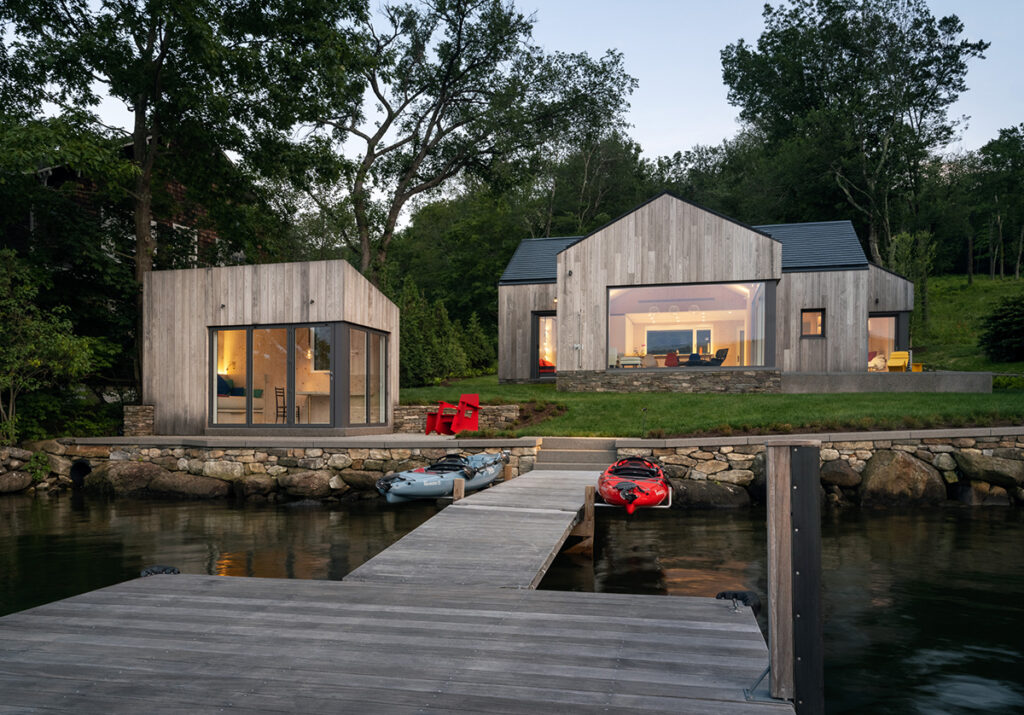
Take this lakeside vacation home in rural Connecticut as an example of modern passive house design. OPAL Architecture set out to build a home that used sustainable, renewable materials to attain its net-zero goals and turned to wood products as the answer. They used cross-laminated timber construction, high performance wood fiber insulation from TimberHP, prefabricated wood panels, and wood finishes throughout the interior and exterior of the home, to name a few. Energy-efficient heat pumps work in tandem with Tesla’ Solar Roof to minimize dependency on the power grid and triple glazed windows make for superior airtightness. Every aspect of the design, construction, and intended use for this building was considered and the result is a gorgeous passive house that is as warm in style as it is in temperature.
The Future of Passive House Construction
As we look towards the future, passive home design is set to play a pivotal role in new construction. It offers a proactive approach to building homes that are not only energy-efficient but also resilient in the face of changing climates and energy landscapes. With the continuous evolution of building materials and techniques, such as those provided by TimberHP, the integration of passive house principles is becoming increasingly feasible and economically attractive.
The rise of passive house is a testament to the construction industry’s capability to adapt and innovate in response to environmental challenges. By embracing passive house standards, the industry does not just contribute to global sustainability goals but also offers substantial economic and health benefits to builders and residents alike. As more stakeholders recognize these advantages, passive house design is poised to become a new standard in the quest for a sustainable future.
I grew up in a house with no AC. Even when my family put an addition on, they chose not to install central air—in part for cost savings but also out of stubbornness. We had one or two old window units, but they could never keep up with the steadily rising temperatures on the hottest […]
I grew up in a house with no AC. Even when my family put an addition on, they chose not to install central air—in part for cost savings but also out of stubbornness. We had one or two old window units, but they could never keep up with the steadily rising temperatures on the hottest days of summer. So, I learned the tricks—creating a cross breeze, keeping the space dark, and when all else failed, hanging out in the basement.
I still have a streak of stubbornness that has me sweating rather than spending a few hundred dollars on a new window unit, but working in the building industry I’ve learned that there are more ways of keeping your house cool without AC. So, in this blog, I’ll give you some advice on how to keep your house cool in summer, by leveraging both new technology for passive cooling and the old-fashioned tricks.
What is Passive Cooling?
What if your house could work for you instead of you working (and paying) for it to stay cool? Passive cooling leverages design choices in the construction of the home that passively reduce heat gain and increase heat dissipation. The goal is to keep your home at a more stable temperature, even when you’re hitting record temps outside. This reduces the need for electricity to cool your home through portable or even permanent cooling systems, saving you money.
From home orientation to materials used in construction, there are diverse passive cooling techniques that can assist in keeping your house cool without AC. While most passive cooling design choices are made when constructing a new home, some can be incorporated during the renovation of an existing home.
Does Insulation Keep Heat Out?
When we think of insulation, we often think first of how it helps to keep us warm, like a good winter coat. But proper insulation can also work conversely to prevent high external temperatures from impacting your home’s comfort. First, you need to understand how your home gets hot: without any barriers, warm air naturally flows toward cooler areas until there is no difference in temperature. Insulation slows down this conductive transfer of heat, keeping your home’s interior cooler for longer.
Heat resistance is measured in terms of a material’s R-value—higher R-values mean higher resistance. Choosing the right insulation material and properly installing it in key areas will improve your home’s passive cooling ability. Consider choosing innovative insulation technologies like wood fiber insulation which is designed to reduce the heating and cooling loads of buildings in all seasons and climates. Tested to US standards, wood fiber insulation can curb energy loss thanks to its higher density providing excellent draft reduction and the naturally high thermal diffusivity of wood.
Ideally, your new home would be built using a combination of wood fiber boards, batts, and loose-fill insulation to ensure all exterior walls are protected from fluctuating external temperatures. However, even existing homes can utilize passive cooling techniques by adding high-performance wood fiber insulation in key areas. Insulating your attic, for example, can save homeowners up to 15% on heating and cooling costs. Wood fiber insulation can also be installed over or alongside existing insulation materials.
There’s another reason to consider wood fiber insulation, especially continuous insulation installed behind the siding or under roofing materials. Along with excellent R-value, wood fiber insulation provides summertime heat protection with a greater capacity to delay heat gains than other conventional products on the market, even those with higher R values! It gets a little complex, but we explore this further in our technical library and in our Guide for Builders.
Reflective Materials & Cool Roofs
There’s a good reason why light-colored clothes are popular in the summer—they reflect heat! And just like your choice of warm-weather fashion, your home’s exterior can also provide passive cooling. We recommend ensuring your attic is airtight to your living space below. If you don’t have insulation, (or even if you do) simply move the insulation and use tapes, sealants, or canned foam to seal around any cracks or openings to the living space.
Cool roofs reflect the sun to reduce heat gain in the home. They are light in color and are made of materials with high solar resistance, like painted metal tiles or terracotta shingles. Some roofing materials can even be retrofitted as cool roofs by adding a cool coating or paint. However, you should consider your local climate before choosing to install a cool roof as they can also reduce heat gain during the winter when a helping hand from the sun might be welcome.
Energy Efficient Windows & Doors
Your fenestration—aka openings in your home—can also play a significant role in how to keep your house cool. Highly energy-efficient windows and doors have multi-layer glazing and framing to reduce convection heat transfer and have a strong seal to prevent air leakage. Depending on your climate, you may also seek windows that have a low solar heat gain coefficient (SHGC) which better shades your home from sunlight. You can learn more about energy efficiency ratings and how to read window and door labels from the US Department of Energy. Don’t forget to airseal around them by removing the indoor trim and using a backer rod and sealants, tapes, or canned foam.
Landscaping as Passive Cooling
Your home’s construction is not the only factor in keeping your house cool without AC. Considering your landscape design can be key in keeping your home cool. Trees on the south and west sides of your home can help shade your windows and even roof from the sun during its peak. If you live in a temperate climate, choose deciduous trees that lose their leaves in the winter and allow the sun to help heat your home. You can also arrange trees and other vegetation to create a breeze path, filtering wind towards your home to help exchange stale indoor air with fresh outdoor air.
You should also make an effort to keep the ground around your home cool to prevent heat from rising off the pavement of your driveway or sidewalk and into your home. You can choose pathway materials that are lighter in color and plant sprawling bushes, shrubs, and hedges to shade these areas. Use groundcover vegetation instead of mulch to keep garden beds as much as 15 degrees cooler
Ventilation! Ventilation! Ventilation!
So far, we’ve talked a lot about preventing hot air from moving into your house but equally as important is your home’s ability to let air out. Ventilation can be as simple as opening windows, but you can also integrate ventilation into your home design for even more efficient heat loss. For example, positioning larger windows on the leeward side of the house and smaller openings on the windward side creates a vacuum effect that pulls air through your home. Stack ventilation systems, like solar chimneys, draw warm air up from within your home to be released outside. And of course, incorporating ventilation in your attic, where the air is hottest, is key to releasing heat before it can be absorbed into your living spaces.
5 Tips for How to Keep Your House Cool That Never Go Out of Style
All of these passive cooling techniques can help take some of the thought and cost out of keeping your house cool in the summer. But the truth remains that some of the age-old tricks can do a lot to make your home comfortable if you are diligent.
Night Flushing: Without the sun, nights are naturally cooler. Take advantage of the lower external air temperatures by opening windows at night.
Keep it Dark: During the day, close blinds and curtains to block sun transmission and keep interiors cooler. Do your best to leave the lights off as well.
Choose LEDs: Incandescent bulbs produce more heat than LEDs. Switch to energy-saving lightbulbs to not only reduce heat but also save on energy costs—win-win!
Limit Appliance Use: Don’t do laundry or bake a batch of cookies during the hottest part of the day. And as tempting as it may be, don’t stand slack-jawed in front of your open refrigerator.
Use Fans Strategically: Set up fans to create horizontal air flow through your house. At night, you can even point fans on upper floors out a window to help expel hot air. Set ceiling fans to rotate counterclockwise to push air directly down.
A Look at the Construction Supply Chain: Issues & Solutions
In recent years, the construction industry has faced a labyrinth of challenges, from towering demand to sticky supply chain issues, which have stretched the timelines for residential builds and reshaped the landscape of home construction. These hurdles have compelled professionals and homeowners alike to navigate a new reality, where delays are expected, and flexibility has […]
In recent years, the construction industry has faced a labyrinth of challenges, from towering demand to sticky supply chain issues, which have stretched the timelines for residential builds and reshaped the landscape of home construction. These hurdles have compelled professionals and homeowners alike to navigate a new reality, where delays are expected, and flexibility has become a cornerstone of project planning. Let’s examine the intricate tapestry of the construction supply chain, unravel the issues currently binding it, and stitch together solutions that hold promise for a more resilient future.
The pandemic continues to reverberate through the construction supply chain, altering how we source and use building materials. We’ll examine the reasons for supply chain issues, which products have been impacted, and the ripples they cause throughout a project. On the brighter side, we’ll redefine what sustainability means in the construction context—highlighting its role not just in environmental stewardship but as a keystone in building a supply chain that can withstand the tests of time and policy.
2024 Building Supply Chain Issues
More than four years later, the construction industry continues to grapple with supply chain shortages that began cropping up during the 2020 pandemic. With any system as complex as the building materials supply chain, these challenges are interconnected, often intensifying one another. Here are just a few of the major factors in construction supply chain disruptions that both professionals and homeowners are impacted by:
In 2020, the global market for raw materials, which once accounted for more than 50% of building needs, declined sharply as countries closed their borders and sent workers home. This in turn put more demand on local suppliers and quickly resulted in supply chain shortages.
At the same time, distancing requirements to help stop the spread of Covid-19 meant many construction companies and contractors were out of work. And while those restrictions no longer apply in 2024, businesses are still struggling to regain their workforce. For the past two years, the construction industry has held a 4.6% unemployment rate, higher than the 3.8% national average. To meet employment demands, the industry will need to hire an additional half a million workers on top of the normal hiring rate.
Both challenges come back to an increased demand for construction services. Not only is America short around 3.2 million homes, but people also began spending much more time at home during the pandemic. Remote work has continued into 2024 and homeowners are prioritizing offices, workout spaces, and more in their spending.
All this and more have come together to cause 2 main supply chain issues: higher prices and longer acquisition and project completion times. Construction input costs are up nearly 39% compared to 2020. Before Covid-19, building materials like steel and timber were typically delivered to project sites within two to four weeks of ordering. Now, those materials can take 12 to 16 weeks to arrive. From 2020 to 2022 the average time to completion of a single family home went from 6.8 months to 8.3.
The insulation sector has felt these shocks particularly acutely. Fiberglass, a staple of the industry, has faced shortages due to factory slowdowns and increased demand, a byproduct of the heightened focus on energy efficiency. Some fiberglass and sprayfoam manufacturers also suffered from sourcing raw materials from overseas. Cellulose insulation, reliant on recycled paper feedstock, has been hit by fluctuations in recycling patterns and consumer behavior. Meanwhile, mineral wool has butted against emissions quotas that limit production capacity.
Catalyzing a More Sustainable Supply Chain
These supply chain issues underscore a pivotal moment for the construction industry: a call towards sourcing strategies and materials that can ease the strain on the building materials supply chain and provide resilient, sustainable solutions. This critical conversation about supply chain sustainability is not just an environmental ideal, but a fundamental solution to systemic vulnerabilities. The challenges of today are a catalyst for materials and methods that can support the flow of resources even in the face of global disruptions.
What do We Mean When We Say ‘Sustainable?’
We’ll take a wild guess and say that when you hear the word “sustainable” you picture a verdant green farm, maybe a wind turbine or two silhouetted against the sky, or compostable packaging from your favorite take-out restaurant.
But in the nuts-and-bolts world of the construction supply chain, sustainability gets real practical, real fast. It’s less about a single attribute and more about a holistic approach—can we keep doing what we’re doing without hitting a wall?
Sustainability is about creating a rhythm in our production and consumption that can continue indefinitely. In our industry, this means finding materials that meet modern standards for durability and efficiency, can be reliably sourced, can balance fluctuations in cost, and consider their impact on the environment.
Achieving sustainability in construction isn’t—and likely won’t ever be—easy, as it requires the connection between so many complex factors. But the result, when we do move towards supply chain resilience, is the assurance that when we reach for materials, they’re there—not just today, but tomorrow, next month, and next year. And in these times, when the word ‘delay’ has become all too familiar, finding solutions that can mitigate supply chain issues isn’t just nice, it’s necessary.
Turning to Sustainable Building Materials
Sometimes we can find these solutions by looking to past technologies. While new to North America, wood fiber insulation has been perfected and used in European buildings for over 20 years, and of course, timber has been an ingredient in construction for far longer. Let’s discuss how this innovative, yet old technology can address some of today’s most pressing supply chain issues.
Our wood fiber insulation is made using leftover wood chips and wood waste from sustainable forest management and lumber production. Because the manufacturing of wood fiber insulation reroutes existing waste streams from the lumber industry, it is less subject to shortages in feedstock and can therefore support production that meets the high demands of today’s building industry. We work with local lumber mills, sawmills, and forestry businesses, further reducing the need for shipping and transportation that can be delayed by global supply chain issues. Fewer miles traveled means faster delivery times, fewer emissions, and a smaller carbon footprint.
These factors help keep wood fiber insulation cost competitive with conventional insulation products and less vulnerable to inflation caused by a broken supply chain. Remember, consistency and reliability are key to sustainability in construction.
To take the definition of sustainable building materials a step further, wood fiber insulation is also future-forward when it comes to building energy codes. With high efficiency, this insulation product will help professionals continue to meet changing standards in residential and commercial construction.
And yes, it’s got the ‘green’ piece too. Wood fiber insulation arrives at the jobsite carbon negative and helps store CO2 in our built environment much the way a living forest does. And unlike products made with glass, sand, and chemical for foam, wood fiber insulation is biogenic and biodegradable. Check our video illustrating the process of manufacturing wood fiber insulation to see how each element of production and use are interconnected.
This is all to say that sustainable building materials like wood fiber insulation are not one-size-fits-all solutions to modern supply chain issues. But the consideration of how our materials choices impact our environment, our needs for transportation, our costs, and the performance of our buildings is a big step towards supply chain resilience. Our need for more housing isn’t slowing down any time soon, and growing demand will only serve to exacerbate supply chain shortages. Together with other sustainable building materials and practices, our building projects can not only move faster but also further develop sustainability in construction.
If you’d like to keep up with emerging technologies and industry trends, consider subscribing to our email newsletter, or check out our events to further your learning in sustainable building materials. And as always, feel free to reach out to our team with questions about our products and how to integrate them in your next project.
TimberHP Receives EPA Grant for Energy Use Data Collection & Reporting
Originally published by Mainebiz on July 23rd, 2024 GO Lab Inc., doing business as TimberHP, was awarded a $418,420 grant to install equipment and software that will capture energy and raw material usage data on its board, batt and loose-fill insulation made from wood fiber. The data will be used to develop standardized labeling that […]
Originally published by Mainebiz on July 23rd, 2024
GO Lab Inc., doing business as TimberHP, was awarded a $418,420 grant to install equipment and software that will capture energy and raw material usage data on its board, batt and loose-fill insulation made from wood fiber.
The data will be used to develop standardized labeling that would make it easier for buyers to ensure the construction projects they fund use more climate-friendly products and materials.
The Madison startup was one of four recipients of U.S. Environmental Protection Agency grants to support efforts in reporting and reducing climate pollution from the manufacturing of construction materials.
The data will be used to develop and publish environmental declarations for each of the company’s three product lines over its first five years of production.
Environmental product declarations are a way for manufacturers to boil down third-party life cycle assessments into standardized declaration labels for their products, according to the U.S. General Services Administration.
A life cycle assessment is a complex cradle-to-grave analysis of the environmental impacts of a product’s life cycle, from gathering raw materials to creating the product to returning materials to the earth.
TimberHP is the first company in North America to produce insulation from wood fiber. The material is considered cost-competitive, renewable, recyclable, nontoxic and carbon sequestering.
“The innovative work being done by GO Lab in Maine means that families can insulate their homes with sustainable, non-toxic materials that also help fight climate change,” said David Cash, EPA’s regional administrator.
Madison production
Insulating wood fiber composites have been manufactured at scale in Europe for over two decades but were not widely available in the U.S. until TimberHP’s facility in Madison began production in 2023.
The carbon footprint of insulation products is second only to concrete due to the materials used in its manufacture and the energy required for its production.
EPA estimated that the construction materials used in buildings and other built infrastructure account for more than 15% of annual global greenhouse gas emissions.
The EPA grant program aims to help disclose the environmental impacts associated with manufacturing concrete, asphalt, glass, steel, wood and other materials.
The efforts are expected to help standardize and expand the market for construction products with lower greenhouse gas emissions; and to make it easier for federal, state and local governments and other institutional buyers to ensure the construction projects they fund use more climate-friendly products and materials.
Originally published by the College of the Atlantic on July 18th, 2024 The AIA cites the building’s sustainable design and thoughtful approach to the unique ecology of the site. A collaboration between New York-based Susan T. Rodriguez Architecture • Design and Maine-based OPAL, the design draws inspiration from COA’s environmentally focused, interdisciplinary curriculum, the history […]
Originally published by the College of the Atlantic on July 18th, 2024
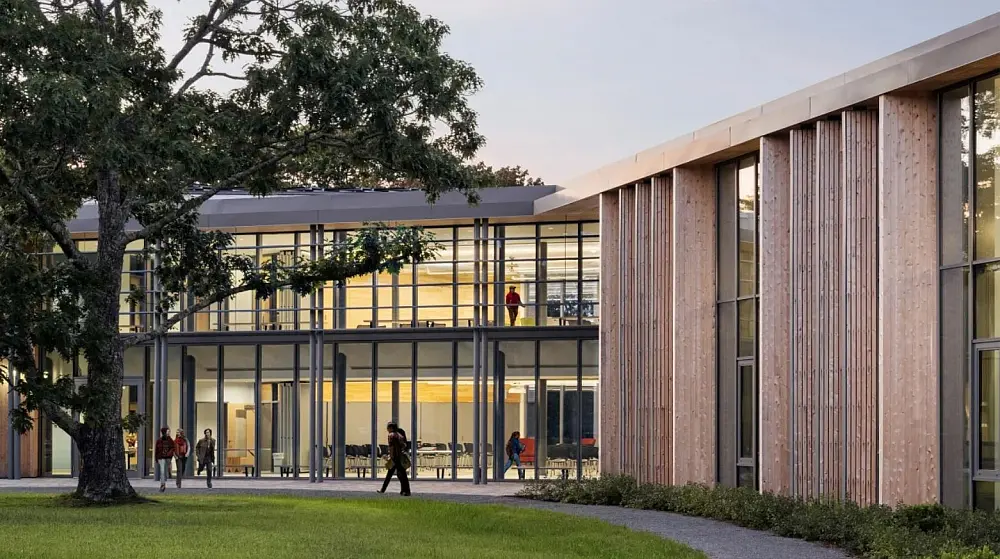
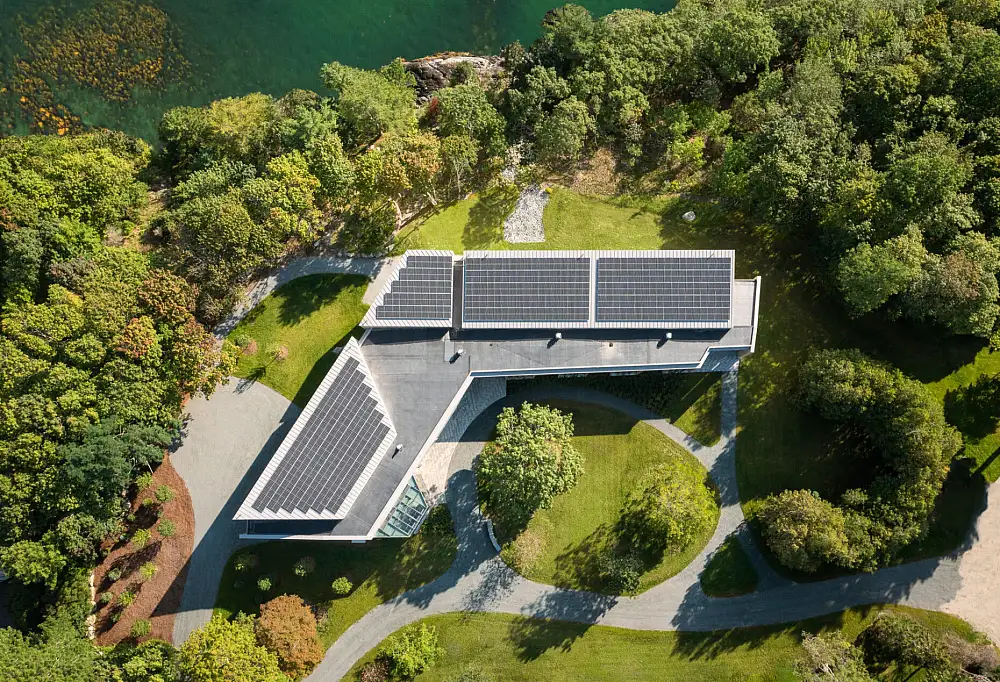
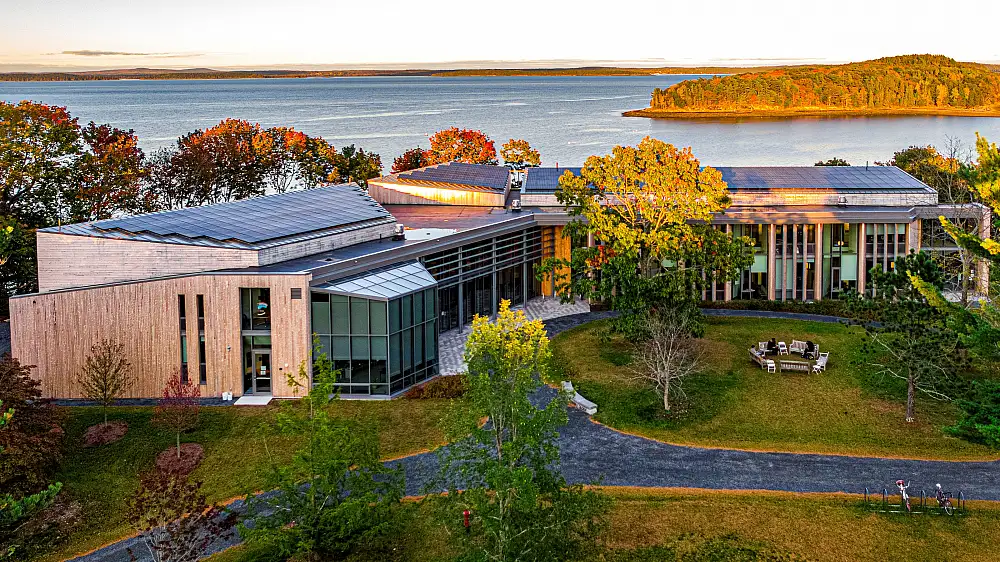
The College of the Atlantic Davis Center for Human Ecology, designed collaboratively by architects Susan T. Rodriguez and OPAL, is awarded for its outstanding design by the American Institute of Architects. Credit: Trent Bell
The AIA cites the building’s sustainable design and thoughtful approach to the unique ecology of the site. A collaboration between New York-based Susan T. Rodriguez Architecture • Design and Maine-based OPAL, the design draws inspiration from COA’s environmentally focused, interdisciplinary curriculum, the history and ecology of its oceanfront campus on Mount Desert Island, and its #1 Green College ranking by the Princeton Review.
“As a whole, the center’s design is reflective of the college’s unique character and culture, both defined by simplicity, pragmatism, and a commitment to foregrounding the natural world,” AIA officials state. ‘Weaving together the study of human ecology and environmental sustainability, it stands as a dynamic academic venue that amplifies immersive learning experiences at the intersection of land and sea.”
From its perch on a rocky promontory along the rugged coastline, the building was inspired by COA’s focus on experiential engagement with the natural world. Founded in 1969, the college was the first in the nation with a vision centered on the holistic study of humans’ relationship with the environment. The design for the Center for Human Ecology broadcasts the college’s mission and commitment to stewardship while also heightening awareness of the site’s unique ecology.
The center’s overall configuration frames a new campus landscape, protecting the space from the prevailing and harsh ocean winds and optimizing solar gains to mitigate heating demands prompted by the region’s long, dark winters. A series of spatial cuts through the building offer views of the college’s namesake Atlantic Ocean, allowing its interior spaces to connect directly with the inspiring coastline.
It features a network of functional and flexible spaces, including art studios, laboratories, research spaces, and a greenhouse. Faculty offices and multipurpose classroom spaces for lectures and exhibitions underscore a learning community free of departmental divisions. The center also includes generous public spaces that allow it to host public programs throughout the year.
Sited on a bluff overlooking Frenchman Bay, the building extends an existing campus-wide spine of circulation and gathering spaces northward, toward the shoreline. Powered by COA’s dedication to sustainability and building performance, the Davis Center sets a new benchmark for future-oriented academic buildings in far northern climates.
Photovoltaic panels atop the COA Davis Center for Human Ecology are part of a larger palette of energy features that help the facility meet stringent Passive House standards. Credit: Trent Bell
The building meets the newly released national definition for Zero Emissions Buildings, or ZEB, a Biden-Harris Administration initiative which OPAL Management Partner, Timothy Lock, collaborated on and helped facilitate.
Designed to the stringent German Passive House standard of energy efficiency and indoor air quality, it consumes 90 percent less energy than a comparable code-compliant building.
Passive solar gain from south-facing glass mitigates heating demand during Maine’s long, cold winters. A high-capacity energy recovery ventilation system provides a constant flow of tempered fresh air.
The design extensively uses low-embodied carbon and locally sourced materials—including a nearly all-wood structure and wood fiber insulation—which radically reduce its lifecycle carbon footprint, effectively neutralizing the environmental impact of its construction.
The building accommodates art studios, offices, teaching and collaboration spaces, science labs, and a greenhouse for programming in zoology, botany, chemistry, geology, general science, fine art, and media.
The building design maximizes views of the ocean and frames an open green used for ceremonies and outdoor activities.
The COA Davis Center for Human Ecology is the recipient of an AIA Maine Honor Award for excellence in architecture.
“The building represents a new milestone for what is possible within the context of ecological building design, and will set a new benchmark both within our practice, and now with this acknowledgement, across the country,” said OPAL Management Partner Timothy Lock. “Academic buildings, particularly those with labs, tend to be thought of as energy hogs that cannot be avoided, and this is anything but. Additionally, this is a huge moment for Maine architecture and design, for this project to be recognized at this level.”
A second building designed by OPAL for College of the Atlantic, a new student housing building, has just been completed this spring on campus. The new Collins House residence hall includes 46 beds for students, and continues the legacy of the highest standards of efficiency and ecological design on the COA campus. The new dormitory is built from a biogenic mass timber structure, paired with wood infill walls, and wood fiber insulation; the all-wood assembly sequesters biogenic carbon while performing at Passive House level energy, upholding the highest standards of sustainability.
To provide the best experiences, we use technologies like cookies to store and/or access device information.
Functional Always active
The technical storage or access is strictly necessary for the legitimate purpose of enabling the use of a specific service explicitly requested by the subscriber or user, or for the sole purpose of carrying out the transmission of a communication over an electronic communications network.
Preferences
The technical storage or access is necessary for the legitimate purpose of storing preferences that are not requested by the subscriber or user.
Statistics
The technical storage or access that is used exclusively for statistical purposes.The technical storage or access that is used exclusively for anonymous statistical purposes. Without a subpoena, voluntary compliance on the part of your Internet Service Provider, or additional records from a third party, information stored or retrieved for this purpose alone cannot usually be used to identify you.
Marketing
The technical storage or access is required to create user profiles to send advertising, or to track the user on a website or across several websites for similar marketing purposes.