

Interest in sustainable insulation materials is growing among architects, builders, and designers as concern over the health and environmental impacts of spray foam and other traditional insulation materials becomes more widespread.
Because insulation needs to deliver on specific performance standards and expectations, providing quality and sustainability in the same insulation product can seem out of reach.
However, wood fiber is shifting what’s possible for insulation, enabling a high-performance, sustainable, healthy solution for batt, fill, and board – and when you dig deeper into how wood fiber insulation does what it does so well, the benefits are unignorable.
Proven and trusted in Europe for more than two decades, this innovative material is now being manufactured and made available in the U.S. for the first time from TimberHP. Our company saw the immense opportunity available to harness an abundant byproduct of the lumber industry to manufacture insulation that not only improves building comfort and efficiency, but reduces environmental impact in multiple ways.
So let’s dig a little deeper into how wood fiber insulation delivers on so many of the demands for performance and sustainability that building professionals and homeowners have today.
Here are five reasons why wood fiber insulation stands out as the smarter, healthier choice.
1. Safe and Reliable (Yes, This Includes Fire!)
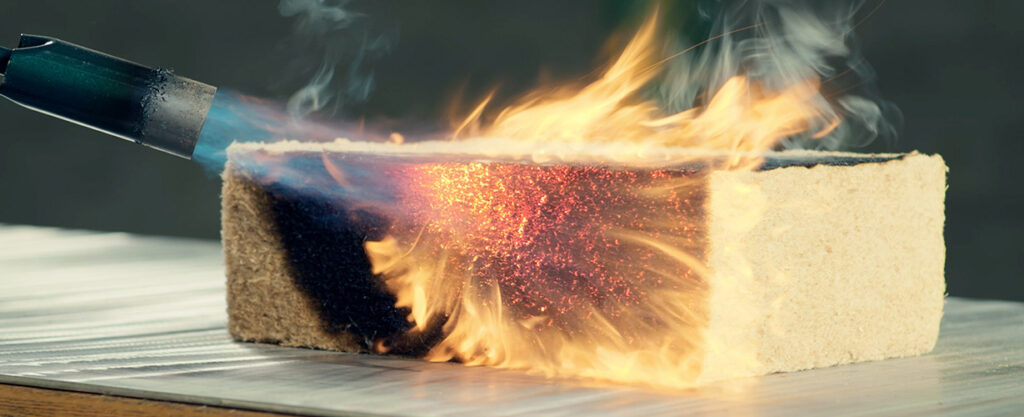
One of the misconceptions about wood fiber insulation is that it must be flammable since it’s made from wood. In fact, the opposite is true.
At TimberHP, we treat our wood fiber insulation with liquid borate, a naturally occurring mineral that acts as a flame retardant and makes our insulation resistant to fire and smoke spread.
Other qualities of wood fiber that make it ideal for safe, reliable insulation include:
Durability: With proper installation, wood fiber insulation can maintain its performance for decades, and contribute to the overall longevity of the structure itself.
Compliance: Our wood fiber insulation products undergo rigorous testing for safety and building code compliance, so you can be confident you’re installing a product that avoids rejections.
2. Requires Zero Deforestation to Source and Manufacture
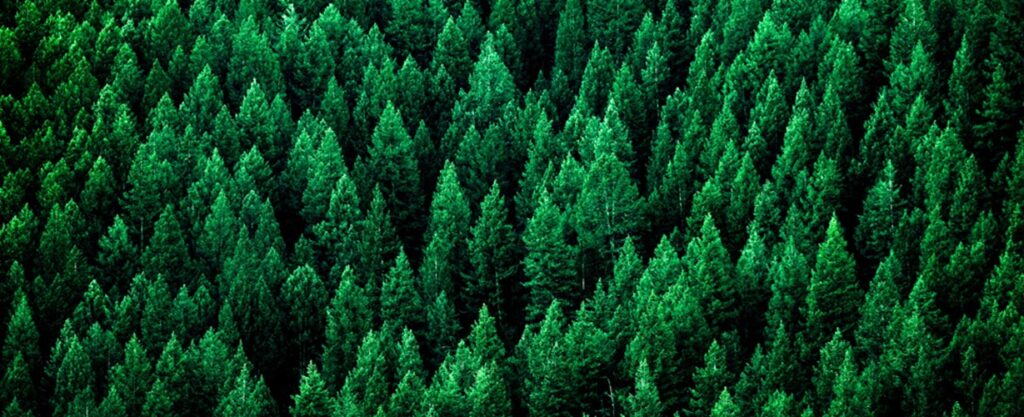
Wood fiber insulation is produced from abundant, residual softwood chips that are generated at lumberyards during the process of milling round logs into square boards. These wood chips are then delivered to TimberHP’s manufacturing facility (a refurbished paper mill) in Madison, Maine, where the chips are refined and pressed into different insulation products. We never cut down virgin trees for insulation material – we are leveraging natural byproducts of the lumber industry that would otherwise be discarded and transforming it into a high-performance insulation solution.
Additional benefits of using responsibly-sourced softwood chips include:
Supporting a circular economy: TimberBatt can be dismantled from building assemblies using conventional methods. Because it is primarily composed of untreated softwood fiber with biocomponent fibers and borate, making it technically suitable for reuse, recycling, or thermal recovery. (It’s important to note that no dedicated recycling infrastructure currently exists in North America). Intact batts could also technically be recovered and reused as insulation in new applications, or the fiber could be reintroduced into manufacturing. (Also important to note: these pathways would require development of a collection and processing system, which is not currently established).
Lower embodied energy: Manufacturing wood fiber insulation requires less energy than many synthetic insulation types, reducing the product’s overall environmental footprint.
3. Lowers the Environmental Impact of Housing
In addition to driving down the operational energy of buildings by reducing heating and cooling loads, wood fiber insulation is one of the rare insulation materials that actually stores more atmospheric carbon than it emits during production. Replacing conventional insulation with wood fiber helps to move the needle towards creating buildings that are climate assets instead of climate liabilities. In short, Wood Fiber Insulation packs a unique double carbon punch; it saves carbon AND stores carbon.
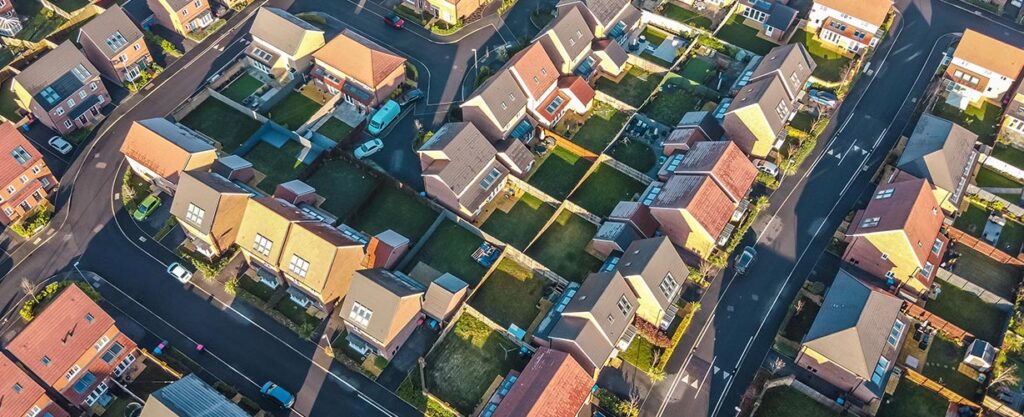
Housing and buildings have a significant impact on the environment, something that many architects, builders, and owners are looking to mitigate. Energy consumption and material production are substantial players in greenhouse gas emissions and resource depletion; the World Green Building Council reported in 2019 that buildings accounted for 39% of global energy-related carbon emissions: 28% from the energy needed to heat, cool and power them, and the remaining 11% from materials and construction.
Because trees absorb and store carbon dioxide as they grow, carbon remains locked in the wood fibers for the life of the insulation. When used in buildings, this stored carbon offsets the emissions from transportation and construction, resulting in a far lower impact than conventional insulation materials.
The benefits don’t stop there: throughout a building’s lifespan, wood fiber continues to store carbon, and at end of life, it can be recycled, reused, or converted into energy products like biochar. Even if landfilled, its overall emissions remain far lower than fiberglass, mineral wool, or spray foam.
Bonus Benefit: Wood fiber insulation is produced from byproducts of lumber operations, requiring significantly less energy to manufacture. That low embodied energy makes it one of the most environmentally responsible insulation choices available today.

4. Superior Thermal and Acoustic Comfort
The sustainability benefits of wood fiber insulation are clear, but it provides exceptional performance benefits as well.
Wood fiber uniquely excels at both thermal and acoustic performance thanks to the natural cellular structure of wood.
Thermal performance: Wood fibers contain microscopic pores that trap air, creating an insulating effect not unlike down feathers in a jacket that contain heat during cold winter days. This natural resistance to heat transfer provides steady indoor temperatures in both hot and cold seasons.
Thermal mass effect: Unlike lightweight foam insulations or mineral wool, wood fiber also slows down heat flow, helping to keep interiors cooler during the summer months. Plus, better temperature regulation means reduced load on HVAC systems and improved energy efficiency.
Acoustic performance: The porous, fibrous nature of wood fiber absorbs sound waves instead of reflecting them, which translates to quieter rooms, reduced echo, and better sound separation between spaces. Its industry-leading sound dampening performance is one reason why wood fiber insulation is in high demand for multifamily buildings.
5. Built-In Vapor Management
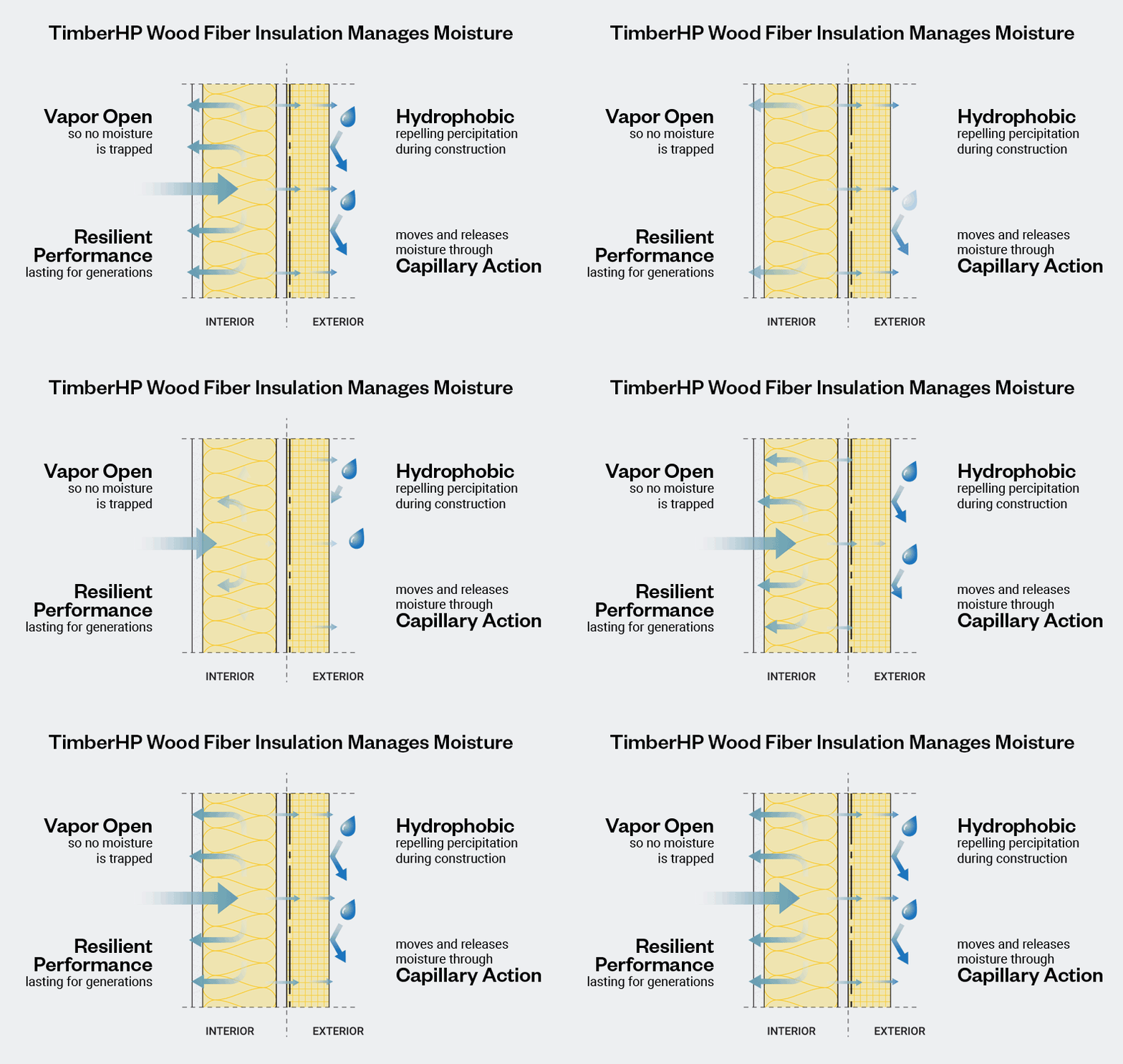
Moisture is one of the larger challenges in building science – homes and buildings are exposed to water vapor for a host of different reasons, and traditional insulation materials can trap moisture, leading to mold, mildew, and rot that rapidly breaks down the durability of the home.
However, the built-in vapor management of wood fiber insulation allows moisture to be absorbed and released without interfering with overall performance or trapping moisture against the wood framing and sheathing, a feature that is especially important for restorations or older homes where preservation is paramount, and in energy-efficient buildings with tighter envelopes.
Essentially, wood fiber insulation allows buildings to “breathe,” much like the technology of a GORE-TEX jacket, reducing condensation risks and contributing to healthier indoor air quality.
Wood fiber is the key ingredient in an insulation product that is competitive with conventional insulation materials for cost and performance, all while being safer and healthier for people and the planet.
Choosing insulation made from abundant, residual wood chips means choosing more than just comfort. It’s a commitment to sustainability, carbon reduction, and building science excellence.
Insulation technology has moved us past the days when sustainability meant compromising on performance. Now, you can deliver superior thermal and acoustic comfort, vapor management, and fire resistance in one safe, healthy insulation material.
Wood fiber insulation is more than an alternative to traditional insulation materials – it’s an upgrade.